TRW & Co · Employment, Labour & RMG Compliance
Workplace Accident Compensation Lawyer in Chittagong (Chattogram)
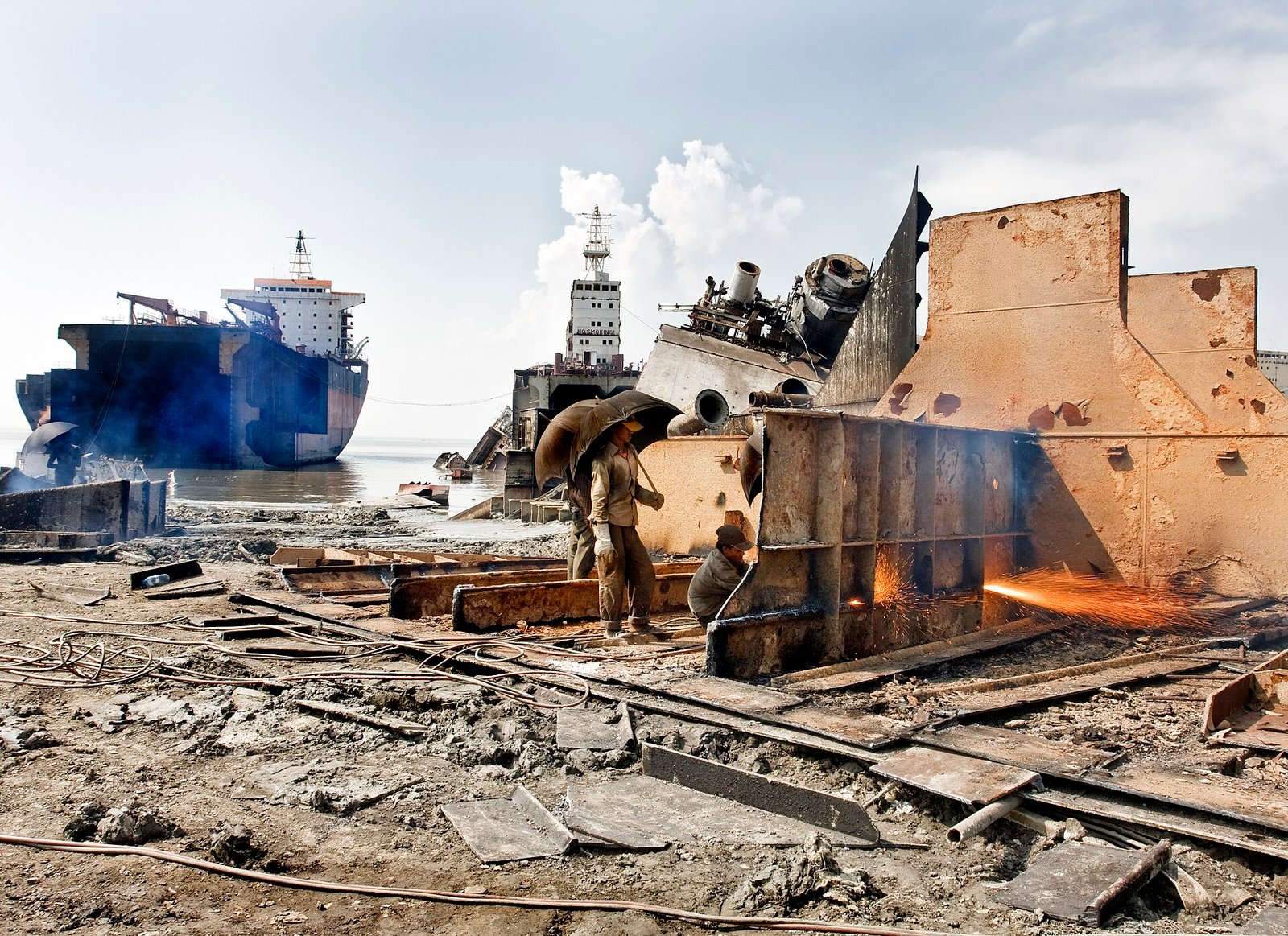
A workplace accident compensation lawyer in Chittagong helps injured workers, bereaved families and employers deal with the aftermath of factory, port and ship recycling accidents. The Labour Act 2006 sets no-fault compensation decided by the Labour Court where the accident happened, with a two-year claim limit, alongside death benefit, sector funds and, in serious cases, civil and criminal routes.
Key pointA written compensation agreement signed in the days after an accident can bar a later civil suit for damages, so families should take immediate help but avoid signing releases until every route has been assessed.
At a glance
No-fault liability
Section 150 of the Labour Act makes the employer liable for injury by accident arising out of employment, including workers supplied through contractors.
Schedule amounts
The Fifth Schedule, as amended in 2018, fixes Tk 2,00,000 for death and Tk 2,50,000 for permanent total disablement, whatever the wage.
Two-year claim limit
Notice should be given as soon as practicable, and a claim must be made within two years of the accident or death.
Local Labour Court
Claims go to the Labour Court for the area where the accident happened; civil courts cannot decide questions under Chapter XII.
Funds and schemes
Export garment workers may also claim from the Central Fund and the Employment Injury Scheme pilot, alongside section 19 death benefit.
Swipe or scroll →
What workplace accident compensation covers in Bangladesh and in Chattogram
A workplace accident compensation lawyer in Chittagong acts for injured workers, the families of workers who have died, and the employers and insurers who must respond. The core right is statutory: under the Bangladesh Labour Act 2006, an employer is liable to pay compensation when a worker suffers personal injury by an accident arising out of and in the course of employment, and for listed occupational diseases.
Chattogram carries a heavy share of the country's industrial risk. Ship recycling yards along the Sitakunda coast, steel re-rolling and cement plants, garment and textile factories, the port and its container depots, lighterage vessels on the Karnaphuli, construction sites and chemical stores all see serious accidents. Fires, falls from height, falling loads, gas explosions and electrocution are the patterns that most often lead to claims.
Compensation becomes a legal question immediately. The employer has notice duties within days, the Labour Court with jurisdiction is fixed by where the accident happened, and claims have a firm outer time limit. Families are often offered a cash payment at the funeral; whether that payment counts, and what else is owed, depends on the Act.
The legal framework: Chapter XII of the Labour Act and related schemes
Employer liability under sections 150 to 174
Chapter XII of the Bangladesh Labour Act 2006 replaced the old workmen's compensation law. Its key provisions are:
- Section 150, liability: the employer must pay compensation for injury by accident arising out of employment. For the purposes of the chapter, a worker includes a person employed through a contractor. Listed occupational diseases in the Third Schedule are treated as injuries by accident.
- Exclusions: no compensation is payable for injuries that do not disable the worker for more than three days, or, in non-fatal cases, where the accident is directly attributable to the worker being under the influence of drink or drugs, wilfully disobeying a clear safety order or rule, or wilfully removing a safety guard. These exclusions do not apply where the accident causes death.
- Section 151, amount: fixed sums for death and permanent total disablement under the Fifth Schedule, a percentage of the permanent total figure for permanent partial disablement under the First Schedule, and monthly payments for temporary disablement after a four-day waiting period.
- Section 157, notice and claim: notice of the accident should be given as soon as practicable, and a claim must be made within two years of the accident or death.
- Sections 166 and 167, forum: the Labour Court decides questions under the chapter, civil courts are excluded from them, and proceedings go to the Labour Court for the area where the accident took place.
- Section 172, appeal: certain orders of the Labour Court can be appealed to the Labour Appellate Tribunal.
How much compensation the Act provides
The Fifth Schedule, as amended in 2018, sets compensation at Tk 2,00,000 for death and Tk 2,50,000 for permanent total disablement, whatever the worker's wage. Death compensation is payable in addition to the worker's normal end-of-service dues. Temporary disablement is compensated monthly, at full wages for the first two months, two-thirds for the next two and half thereafter, for up to one year; prolonged occupational disease is compensated at half wages for up to two years.
These figures are widely criticised as too low, and the 2026 amendment is reported to have extended accident compensation partly to seafarers, domestic workers and agricultural workers and to have created a dedicated compensation fund. Before advising on a figure, a workplace accident compensation lawyer in Chittagong will check the gazetted 2026 text and any rules issued under it.
Death benefit under section 19
Separately from Chapter XII, section 19 gives the nominee or dependants of a worker who dies in service a death benefit based on years of service, at a higher rate where the death occurs at work or follows a workplace accident, or gratuity if higher. The 2026 amendment is reported to have reduced the service needed to qualify. This benefit is additional to retirement-type benefits, so families should claim both.
Funds and schemes outside the Act
- Central Fund for export-oriented RMG workers: financed by a levy on export proceeds under the Bangladesh Labour Rules 2015, it pays a fixed grant for death or permanent disability, reported by The Daily Star in 2026 as Tk 3,00,000.
- Employment Injury Scheme pilot: launched in 2022 with ILO and GIZ support for export garment workers and since extended to leather and footwear, it pays periodic benefits rather than a single lump sum.
- Bangladesh Labour Welfare Foundation: provides financial assistance to workers and families in cases of death or serious injury.
Scheme payments do not automatically replace the employer's liability under the Act, and the order in which claims are made can matter. Our article on compensation for workplace death or injury compares the routes.
Sector rules that shape Chattogram claims
Ship recycling yards
Ship recycling in Sitakunda is regulated by the Bangladesh Ship Recycling Act 2018 and the Bangladesh Ship Recycling Board. The Hong Kong Convention entered into force on 26 June 2025, which raises the safety documentation expected of yards. Facility plans, training records, gas-free certificates and permits are therefore central evidence in yard accidents. Our ship recycling practice covers yard regulation.
Factories and export zones
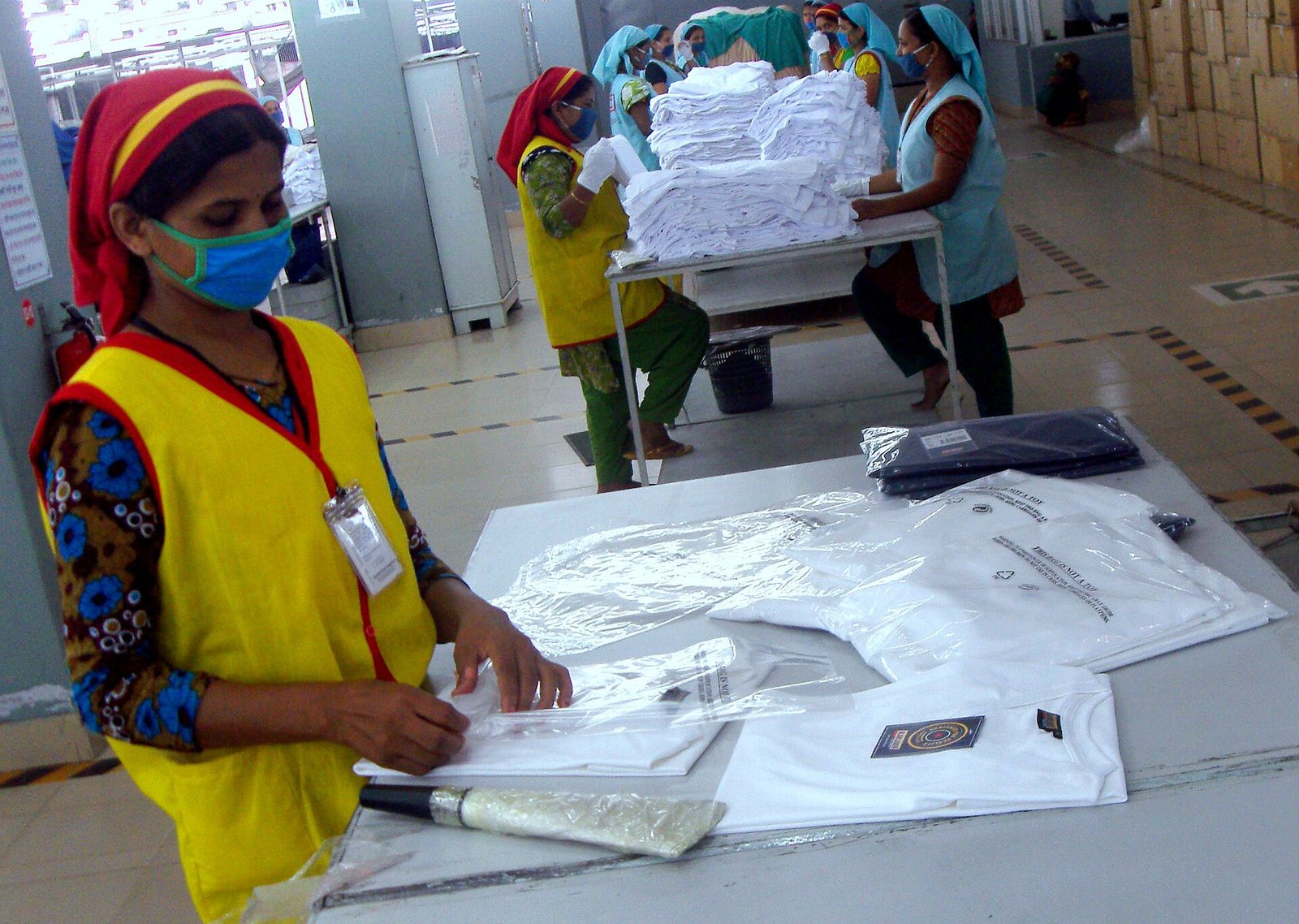
Factories must hold a licence and comply with the safety provisions of the Labour Act and Labour Rules, inspected by DIFE. Section 80 requires the employer to notify the labour inspector of accidents causing death or bodily injury within two working days, and to inform the authorities, fire service, DIFE and police immediately. Enterprises in CEPZ and KEPZ apply the EPZ Labour Act 2019, administered by BEPZA, which contains its own compensation provisions.
Seafarers, port and lighterage workers
Seafarers' claims may also involve the Bangladesh Merchant Shipping Ordinance 1983, which remains in force while replacement merchant shipping bills are still in draft, the employment agreement and the ship's P&I cover. Port and terminal workers may be employed by contractors, berth operators or the port itself, so identifying the correct employer is the first task. See our seafarer claims practice.
Choosing the right route: statutory claim, civil suit or criminal case
A serious accident can open several routes at once. They have different burdens of proof, timeframes and outcomes, and some choices close others. A workplace accident compensation lawyer in Chittagong maps them before any money is accepted.
| Route | Basis | Forum | Points to note |
|---|---|---|---|
| Statutory compensation | Labour Act Chapter XII, no-fault liability | Chattogram Labour Court for the place of the accident | Fixed schedule amounts; claim within two years; death compensation deposited through the court |
| Death benefit and service dues | Labour Act section 19 and end-of-service provisions | Employer, then Labour Court | Additional to Chapter XII compensation |
| Central Fund or EIS | Labour Rules 2015 and the pilot scheme | Fund administrators | Export RMG and covered sectors only; check eligibility |
| Civil damages | Tort and the Fatal Accidents Act 1855 | Civil courts; High Court Division in exceptional public law cases | Requires proof of negligence; barred if a Labour Court claim or compensation agreement is already in place |
| Criminal case | Penal Code offences such as causing death by negligence; Labour Act offences | Magistrates' courts; Labour Court for Labour Act prosecutions | Punishes wrongdoers but does not itself pay full compensation |
The Act bars a suit for damages by a worker who has already applied for compensation before a Labour Court, or who has an agreement with the employer to pay compensation under the chapter. Families who sign an agreement at the hospital may be giving up a larger civil claim without realising it.
Step by step: from accident to payment
- Secure treatment and records. Get emergency care and keep every hospital ticket, discharge summary, prescription and bill. For a death, obtain the post-mortem report and the death certificate.
- Record the facts. Note the date, time, place, task, machinery and supervisors involved, and collect names of witnesses. Photographs of the site and equipment help.
- Notify the employer in writing. Give written notice of the accident as soon as practicable, by registered post or with a signed receipt, even if the employer already knows.
- Check official reports. Ask whether the employer notified DIFE and the police, and obtain the general diary, case number or inspection report where one exists.
- Attend the medical examination. If the employer arranges an examination after notice, attend it and keep a copy of the findings, and obtain an independent assessment of disability where needed.
- File the claim. Apply to the Chattogram Labour Court with jurisdiction over the place of the accident within two years, with a schedule of compensation and dues. In fatal cases the court can call on the employer to state its position and deposit compensation.
- Pursue parallel entitlements. Apply to the Central Fund, the EIS or welfare schemes where eligible, and claim section 19 death benefit and service dues.
- Collect and distribute. Compensation deposited with the court is distributed to dependants by order. Keep the court's distribution order and bank records.
Documents and evidence that decide claims
- proof of employment: appointment letter, ID card, gate pass, attendance and wage records, or evidence that the worker was supplied by a contractor;
- medical evidence: hospital records, a disability assessment by a registered medical practitioner, and for deaths the post-mortem and death certificate;
- accident evidence: witness statements, photographs, CCTV, the employer's accident register, DIFE or fire service reports and any police case papers;
- safety evidence: training records, permits to work, gas-free certificates, personal protective equipment issue logs and machine maintenance records;
- family evidence: nomination forms, the succession or heirship position, NID and birth certificates for dependants;
- payment evidence: any money already paid, with receipts and the words used to describe it.
How a workplace accident compensation lawyer in Chittagong values a claim
Valuation starts with the statutory figures and then adds everything else the family or worker is owed. For a permanent partial disablement, the percentage loss of earning capacity in the First Schedule, or a medical assessment where the injury is not listed, is applied to the permanent total figure. For a death, the Fifth Schedule sum is combined with section 19 death benefit, unpaid wages, leave encashment, gratuity or provident fund, and any fund or scheme grant.
Where negligence is strong, a workplace accident compensation lawyer in Chittagong will also estimate what a civil court might award for lost earnings and dependency, and compare the time and cost of pursuing it. That comparison, made early, tells the family whether to accept a recorded settlement or to keep the civil route open by not signing an agreement under the chapter.
Keep a written record of every payment made after an accident and what it was said to be for. A sum handed over "for funeral expenses" or "as help" is not necessarily compensation under the Act, and employers sometimes later claim it was. Ask for a receipt that states the purpose, and do not sign a full and final settlement before taking advice.
Risks and common mistakes
Accepting a cash settlement at the hospital or funeral
Employers and contractors frequently offer families a cash payment within days of a death. The Act generally requires death compensation to be deposited with the Labour Court so that it reaches the right dependants, and direct payment may not discharge the employer's liability. More importantly, a written compensation agreement can bar a later civil suit for damages. Families should take the help offered for immediate needs but avoid signing releases until the full entitlement has been worked out.
Missing the two-year limit
A Labour Court will not entertain a claim made more than two years after the accident or death, subject only to the limited flexibility the Act allows. Families caught up in negotiations, criminal cases or welfare scheme applications sometimes let the period pass. Filing a claim protects the position and does not prevent a settlement being recorded later. A workplace accident compensation lawyer in Chittagong will diary the limit from the first meeting.
Suing the wrong employer
Ship recycling yards, construction sites, depots and port operations use layers of contractors and labour suppliers. The Act's definition of worker for Chapter XII includes those employed through contractors, but the claim still needs to identify and serve the right parties. Gate passes, wage payment records, site supervisors and the principal's contract with the contractor help establish who must pay. Naming all potentially liable parties at the outset avoids a later finding that the wrong company was sued.
Employers who fail to report or prepare
Employers must report accidents to the labour inspector within two working days and immediately alert the fire service, DIFE and police in serious cases. Failing to report, cleaning the scene or losing records exposes the employer to prosecution and weakens any defence based on the worker's own breach of safety rules. Employers should preserve evidence, cooperate with inspectors, notify insurers and take advice on the statutory deposit. Early, properly recorded payment is often less costly than contested proceedings.
Overlooking occupational disease
Not every claim follows a single incident. Workers in ship recycling, chemicals, dyeing and dust-heavy industries can develop listed occupational diseases. The Third Schedule treats those diseases as injuries by accident in specified employments, sometimes after a minimum period of service. Medical evidence linking the condition to the work, and employment records showing the exposure, are essential. These claims are easily missed because symptoms appear after the worker has left.
Families abroad, foreign employers and insurers
Many injured workers come from families with members working in the Gulf, Malaysia or the UK, and dependants may live outside Chattogram. Heirs abroad can usually act through a properly attested power of attorney, and court-deposited compensation can be distributed to an authorised representative. Our succession practice helps where heirship is disputed.
Foreign shipowners, cash buyers selling vessels for recycling, international brands sourcing from Chattogram factories and global insurers often need to understand exposure quickly. TRW & Co's offices in Dhaka, Singapore, Dubai and London help coordinate with P&I clubs, brand compliance teams and overseas head offices, while the Chattogram team handles the Labour Court and local investigations.
The Act fixes a minimum, not a ceiling. The real work is identifying every route that applies before anyone signs a release.
How TRW & Co helps as your workplace accident compensation lawyer in Chittagong
We act from our office at Room 4022, Annex 2, District and Sessions Judge Court Building, Court Hill (Porir Pahar), Kotwali, Chattogram 4000. The firm's Bangladesh advocates appear in the Chattogram Labour Courts, the civil and criminal courts in Chattogram, the Labour Appellate Tribunal and the High Court Division.
Claims for workers and families
We assess entitlements under Chapter XII, section 19 and the available funds, prepare the claim and file it in the correct Labour Court within time. Where negligence is clear, we assess a civil damages claim.
Employer response
We advise on accident notices, evidence preservation, statutory deposits and engagement with DIFE, police and families, aiming for a lawful and documented outcome.
Insurers and principals
We review contractor chains, indemnities and insurance cover, and advise shipowners, cash buyers, brands and insurers on liability and recovery.
Litigation and appeals
We conduct Labour Court proceedings, appeals to the Labour Appellate Tribunal, civil suits and related criminal matters, and enforce orders that are not paid.
See also our Labour Court practice, RMG compliance, factory licensing, the Chattogram office hub and all practices.
Checklist after a workplace accident
- Get treatment and keep every medical record and bill.
- Write down what happened and who saw it.
- Give written notice to the employer and keep proof of delivery.
- Obtain DIFE, fire service or police reports where they exist.
- Identify the employer, the contractor and the principal.
- Do not sign a release or full and final receipt without advice.
- File in the Chattogram Labour Court within two years.
- Claim section 19 death benefit, service dues and any fund or scheme benefits.
For confidential advice from a workplace accident compensation lawyer in Chittagong, contact our Chattogram office, email info@trw.co or call +880 1779 127165.
Frequently asked questions
01How much compensation does Bangladeshi law give for a workplace death?
The Fifth Schedule of the Labour Act, as amended in 2018, fixes Tk 2,00,000 for death and Tk 2,50,000 for permanent total disablement, whatever the worker's wage. Death compensation is additional to normal end-of-service dues, and section 19 adds a service-based death benefit. Export garment workers may also receive Central Fund or Employment Injury Scheme benefits. The 2026 amendment made further changes, so we check the current gazetted text before advising.
02Is compensation payable if the accident was the worker's fault?
For death, yes: the statutory exclusions do not apply where the accident results in death. For non-fatal injuries, the employer is not liable where the accident is directly attributable to the worker being under the influence of drink or drugs, wilfully disobeying a clear safety order or rule, or wilfully removing a safety guard. Ordinary carelessness does not remove the right. No compensation is payable for injuries disabling the worker for three days or less.
03Where is a claim filed in Chattogram?
Claims under Chapter XII go to the Labour Court with jurisdiction over the area where the accident took place, which for most Chattogram accidents means one of the two Chattogram Labour Courts. Civil courts cannot decide questions under the chapter. Workers in BEPZA zones such as CEPZ and KEPZ should check the EPZ Labour Act 2019, which has its own provisions and forum.
04How long do we have to make a claim?
Notice of the accident should be given to the employer as soon as practicable, and the Labour Court will not entertain a claim made more than two years after the accident or death except in the limited circumstances the Act allows. Do not wait for negotiations, welfare grants or a criminal case to finish. Filing protects the claim and a settlement can still be recorded later.
05The employer paid us money after the funeral. Is that the end of it?
Not necessarily. The Act generally requires death compensation to be deposited with the Labour Court for distribution to dependants, and a payment described as help or funeral costs may not count. If you signed an agreement, it may affect a civil damages claim but does not cancel statutory rights already due. Bring the receipt and any document signed so that we can assess what is still owed.
06Can we sue for more than the Labour Act amounts?
Where the employer or another party was negligent, a civil claim in tort or under the Fatal Accidents Act 1855 may be possible, but negligence must be proved and the claim takes longer. The Act bars a damages suit if the worker has already claimed before the Labour Court or agreed compensation with the employer under the chapter. The order of steps therefore matters, and should be decided early.
07Do ship recycling workers have extra protection?
Ship recycling workers have the same Labour Act rights, and yards are also regulated by the Bangladesh Ship Recycling Act 2018 and the Ship Recycling Board. The Hong Kong Convention entered into force on 26 June 2025, raising expectations on yard safety plans, training and permits. Those documents are often decisive evidence. Many yard workers are engaged through contractors, who are covered for Chapter XII purposes.
Sources and official materials
- Bangladesh Labour Act 2006 — Chapter XII (sections 150 to 174), section 19 and section 80
- Department of Inspection for Factories and Establishments — Accident reporting and safety inspection
- Bangladesh Ship Recycling Board — Regulator of ship recycling yards
- Bangladesh Export Processing Zones Authority — EPZ labour regime for CEPZ and KEPZ
- The Daily Star: compensation falls short (April 2026) — Statutory amounts, Central Fund and EIS
- ILO: Bangladesh Employment Injury Scheme — The EIS pilot for garment workers
General information only, current as at 2 November 2026. It is not legal advice and does not create an advocate–client relationship. It reflects the law of Bangladesh unless stated otherwise, and the law, court practice and official fees change frequently. Check current official sources and take advice on the facts of your matter.