
TRW & Co · Criminal Defence & Bail
False Case Lawyer in Chittagong (Chattogram)
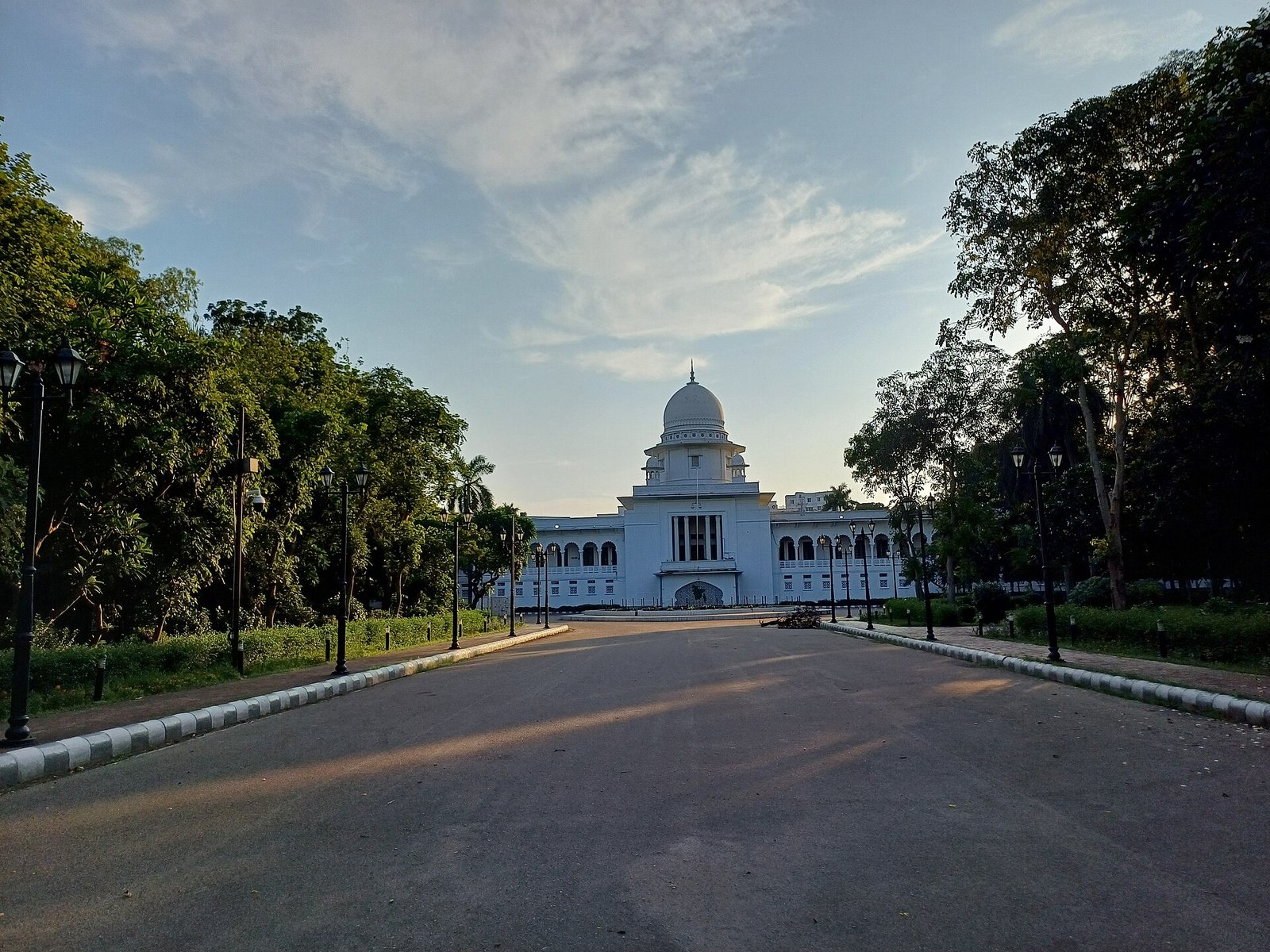
A false case lawyer in Chittagong defends people named in fabricated or harassing criminal cases, often born of land, business or family disputes. The tools include bail and anticipatory bail, early release during investigation under the 2025 reforms, discharge, quashing under section 561A, and, once the case fails, compensation or prosecution of the complainant for a false charge.
Key pointThe 2025 criminal procedure reforms let a magistrate release a wrongly named person during the investigation on a preliminary police report, so the investigation stage, not the trial, is now often the best time to defeat a false case.
At a glance
Early release route
The 2025 amendments to criminal procedure allow a magistrate to release a person wrongly named, on a preliminary report, while the investigation continues.
Quashing under section 561A
The High Court Division can quash proceedings that are an abuse of process, typically where the allegation discloses no offence or is a civil dispute.
Section 211 false charge
The Penal Code punishes instituting proceedings or making a charge knowing there is no just ground, more heavily where the false charge concerns a grave offence.
Compensation under section 250
A court can order a complainant to compensate the accused where an accusation is found false and frivolous or vexatious.
Special-law penalties
Section 17 of the Women and Children Repression Prevention Act 2000 punishes false cases under that Act with imprisonment of up to seven years.
Swipe or scroll →
What a false case lawyer in Chittagong does
A false case lawyer in Chittagong defends people named in criminal cases that are fabricated, exaggerated or filed to put pressure on them, and then helps them hold the complainant to account. The work runs from the first copy of the FIR to bail, the investigation, discharge or quashing, and, where the case collapses, proceedings against the person who brought it.
False and harassing cases are a long-standing problem in Bangladesh. They often grow out of civil quarrels: a land boundary, an unpaid business debt, a partnership break-up, a divorce or a dowry dispute. Others name dozens of people, some unidentified, so that names can be added or dropped as leverage. In Chattogram, with its dense land market, busy trading economy and many families with members abroad, these patterns are familiar to every criminal practitioner.
Calling a case false is not a legal argument in itself. Courts decide on evidence and procedure, so the defence must show, with documents and at the right stage, why the case cannot stand.

The legal tools against false cases in Bangladesh
Bangladesh law offers several remedies, each available at a different stage. A false case lawyer in Chittagong chooses among them according to how far the case has progressed and what the documents show.
Bail and anticipatory bail
The first priority is liberty. Under the Code of Criminal Procedure 1898, bail can be sought from the magistrate, the sessions court and the High Court Division, and pre-arrest protection from the High Court Division. See our pages on bail and anticipatory bail.
Early release during investigation
The Code of Criminal Procedure (Second Amendment) Ordinance 2025 introduced a route, reported as new section 173A, for releasing a person from a case at the investigation stage where interim findings show no credible evidence against them. A senior police officer can call for a preliminary report, which goes to a magistrate who can discharge the person while the investigation continues. The name can be added back if credible evidence later emerges. Parliament has since passed the Code of Criminal Procedure (Amendment) Act 2026, so the current text should be checked.
Final reports and naraji petitions
If the investigating officer concludes that the allegation is not true, or that there is not enough evidence, the officer files a final report rather than a charge sheet. The complainant can oppose it with a naraji (protest) petition, asking the magistrate to reject the report, order further investigation or take cognisance directly. The accused should be ready for that hearing with a short, documented response, because a well-supported final report that is accepted often ends a false case without any trial at all.
Discharge and quashing
Once a charge sheet is filed, the accused can ask the trial court to discharge them at charge framing if the materials do not disclose an offence. Where the proceedings are an abuse of the process of the court, the High Court Division can quash them under section 561A of the Code. Quashing is exceptional, but it is the right tool where the FIR, taken at face value, discloses no offence, or where a purely civil dispute has been dressed up as a crime.
False cases under special statutes
Special laws raise the stakes. A false allegation under the Women and Children Repression Prevention Act, the Narcotics Control Act or cyber security law brings tighter bail rules, special tribunals and heavy penalties, so the accused has more to lose and less room for delay. Narcotics cases raise the particular risk of planted evidence, and the 2026 narcotics amendment allows some digital drug-trading cases without any physical recovery. Online cases turn on who really controlled an account or device. Our pages on drug case defence, Nari O Shishu cases and cyber crime explain the specific defences.
Holding the complainant to account
Section 211 of the Penal Code 1860 punishes instituting criminal proceedings or making a false charge knowing there is no just ground, with heavier punishment where the false charge concerns a grave offence. Section 250 of the Code of Criminal Procedure allows the court to order a complainant to pay compensation to an accused where an accusation is found false and frivolous or vexatious, and the 2025 amendments strengthened the penalties for proven false cases. Section 17 of the Women and Children Repression Prevention Act 2000 separately punishes false cases under that Act. A civil claim for malicious prosecution may also be available.
Choosing the right remedy at the right stage
Timing is everything. A remedy pursued too early is refused as premature; one pursued too late may have been overtaken by the trial. The table shows how a false case lawyer in Chittagong usually matches remedy to stage.
| Stage | Main remedies | Forum |
|---|---|---|
| Case threatened or just lodged | Preserve evidence; anticipatory bail where justified | High Court Division |
| Arrest | Oppose remand; bail; raise breaches of arrest safeguards | Chattogram magistrate court |
| Investigation | Submit documents to the investigating officer; seek early release | Police; magistrate |
| Final report filed | Support acceptance of the final report against any naraji petition | Magistrate court |
| Charge sheet filed | Discharge application at charge framing | Trial court (magistrate, sessions or tribunal) |
| Proceedings an abuse of process | Quashing under section 561A | High Court Division |
| Acquittal or discharge | Compensation; prosecution under section 211; civil damages | Trial court; magistrate; civil court |
The answer to a false case is not anger but a file: the dates that do not fit, the documents that show the real dispute, and a remedy chosen for the stage the case has reached.
How false cases arise and are handled in Chattogram
In Chattogram, police cases are lodged at stations under the Chattogram Metropolitan Police or the district police, and go before the metropolitan or judicial magistrate courts. Complaint cases, often called CR cases, are filed directly before a magistrate, who examines the complainant and may issue process, direct an inquiry or dismiss the complaint. Our article on CR case complaints explains that route.
Common Chattogram patterns include criminal trespass, assault and theft allegations in land disputes; cheating and breach of trust complaints in business fall-outs; dowry and women and children repression cases in failing marriages; cheque dishonour complaints on security cheques; and cyber complaints over social media posts. Each needs its own response, but in every one the background dispute is the key to the defence.
Some cases name a long list of accused persons, sometimes with many more described only as unknown. These cases create a particular risk: a person not named in the FIR can later be shown as arrested in it. If you fear being added to such a case, a false case lawyer in Chittagong can monitor the record, prepare evidence of your whereabouts and role, and act quickly if your name appears. The 2025 early-release procedure was introduced partly with such cases in mind.
The court record is kept by the Chattogram district judiciary. Getting certified copies of the FIR, order sheet and police reports is the first practical step, and our Chattogram team handles this daily.
Write a dated timeline of the underlying dispute before you meet your lawyer: when the land deal, loan, partnership or marriage started, when it went wrong, what notices or cases followed, and when the criminal case was filed. False cases often reveal themselves in the dates.
Defending a false case, step by step
- Get the papers. Obtain the FIR or complaint, case number, police station, and any order or warrant from the Chattogram court.
- Secure liberty. Decide between anticipatory bail, surrender with a bail petition, or appearance on summons, and act before arrest where possible.
- Build the background file. Assemble deeds, contracts, bank records, messages, earlier suits and notices that show the real dispute.
- Engage the investigation. Submit a written statement and documents to the investigating officer and seek early release where the law allows.
- Respond to the police report. Support a final report, or prepare a discharge application if a charge sheet is filed.
- Consider quashing. Where the case is an abuse of process, apply to the High Court Division under section 561A.
- Defend at trial if needed. Cross-examine the complainant and witnesses on contradictions, delay and motive.
- Seek accountability. After discharge or acquittal, consider compensation, a false-charge prosecution or a civil claim.
Our article on section 561A quashing explains the High Court route in more detail.
Not every case follows all eight steps. Many end at the investigation stage, others at discharge, and only a minority proceed to full trial. The aim is to stop the case at the earliest stage the evidence allows, without skipping steps that the courts expect to see.
Documents and evidence that expose a false case
A false case lawyer in Chittagong looks for objective evidence that contradicts the allegation or reveals the motive:
- Proof of where the accused was at the time alleged: travel records, office attendance, CCTV, phone location data, bank or card transactions.
- Documents of the underlying civil dispute: deeds, khatians, agreements, loan papers, partnership records and earlier civil suits.
- Legal notices, demands or threats sent before the case was filed.
- Messages and emails showing the complainant's purpose, preserved in their original form.
- Earlier cases filed by the same complainant against the same or other people.
- Medical evidence that contradicts alleged injuries, or timing that does not fit.
- For people abroad, passports and entry and exit records showing absence from Bangladesh.
Evidence of this kind must be collected early. CCTV is overwritten, phone data becomes harder to obtain, and witnesses' memories fade.
Risks and common mistakes
Retaliating with a counter-case too early
It is tempting to answer a false case with a counter-case at once. But a false-charge prosecution under section 211 usually depends on the original case being shown to be false, and a premature counter-case can look like retaliation and weaken bail prospects. A false case lawyer in Chittagong will usually advise securing liberty and defeating the original case first, while preserving the evidence needed for accountability later.
Contacting the complainant directly
Approaching the complainant to argue or negotiate can be presented as intimidation, leading to new allegations or cancellation of bail. Where settlement is lawful and appropriate, for example in compoundable offences, it should be handled through lawyers and recorded properly. In non-compoundable cases, a private settlement does not end the prosecution, though it may affect how the complainant gives evidence.
Ignoring the case because it is obviously false
Many people assume a baseless case will collapse on its own and do nothing. Meanwhile a warrant issues, a charge sheet is filed on one-sided material, or a hearing date is missed. Obvious falsity does not help if the court never sees the evidence. Engage with the investigation, attend every date, and put the documents on the record at each stage.
Seeking quashing on disputed facts
The High Court Division generally will not quash a case where the defence depends on disputed facts that need a trial. Quashing applications succeed where the FIR or complaint, accepted as true, discloses no offence, where there is a clear legal bar, or where the case is plainly a civil dispute in criminal form. Filing a weak quashing application wastes time and can harden the court's view. Choose the remedy that fits the record.
Giving statements without advice
People confident of their innocence often speak freely to police, journalists or the other side, assuming the truth will protect them. Statements can be misquoted, taken out of context or used to fill gaps in a weak case. A confession recorded by a magistrate can be used at trial and is hard to retract. Give your account in writing, through your lawyer, with supporting documents attached. That approach is clearer, more persuasive and much safer.
Not disclosing related cases
False cases rarely come alone. There may be a civil suit, a family court case, a cheque case or an earlier criminal case between the same parties. Failing to disclose these in bail or quashing applications can damage credibility, while presenting them clearly can show the court the pattern of harassment. Keep a single list of every case between the parties with its number, court and status.
False cases against NRBs and foreign nationals
Non-resident Bangladeshis are frequent targets. A relative in Chattogram may file a case to pressure someone abroad over inherited land, remittances or a family business, knowing the person cannot easily return. Foreign investors and managers can face criminal complaints in commercial disputes with local partners or suppliers.
The response begins before travel: checking whether a case or warrant exists, obtaining certified copies, and planning the timing of return and any anticipatory bail application. Our NRB services and criminal defence teams work together, and TRW & Co's offices in Dhaka, Singapore, Dubai and London help coordinate documents, attestations and instructions from abroad.
Companies are not immune. Disgruntled former employees, suppliers or partners sometimes file criminal complaints against directors and managers to gain leverage in commercial disputes. Directors should not ignore such complaints, and the company should coordinate its response with its civil strategy, because statements made in one forum will be used in the other. Our commercial litigation team works alongside the criminal team in these matters.
How TRW & Co helps as a false case lawyer in Chittagong
Our Bangladesh advocates appear in the Chattogram magistrate courts, sessions courts and tribunals, and before the High Court Division. We look at the whole dispute, not only the criminal file.
Case check and copies
We confirm whether a case or warrant exists, obtain certified copies, and give you a clear assessment of the allegations, the forum and the risks.
Liberty first
We plan anticipatory bail, surrender or appearance on summons, and argue bail at every level so that the case is fought from outside custody where possible.
Investigation strategy
We present your documents to the investigating officer, pursue early release where available, and respond to final reports and naraji petitions.
Discharge and quashing
We file discharge applications at charge framing and quashing applications under section 561A in the High Court Division where the record supports them.
Parallel civil and family work
We pursue or defend the underlying land, business or family dispute through our civil litigation and family teams, so every forum tells the same story.
Accountability
After a case ends in your favour, we advise on compensation, a prosecution for false charge, and civil remedies, with a realistic view of cost and benefit.
We never promise outcomes. Explore all our services on the practice areas page or read about the Chattogram office. Statutes can be checked on the Laws of Bangladesh website, and High Court Division practice on the Supreme Court website.
Checklist for decision-makers
Before instructing a false case lawyer in Chittagong, run through these questions. The answers decide the first move.
- Do you have the FIR or complaint, the case number, the police station and any court order or warrant?
- What is the underlying dispute, and when did it start?
- Which documents prove the real dispute and contradict the allegation?
- Is there alibi evidence, such as travel records, CCTV or phone data, that must be preserved now?
- What other cases exist between the same parties?
- Is liberty at risk, and is anticipatory bail, surrender or appearance on summons the right step?
- Has the investigation reached a final report or charge sheet?
- Would discharge or quashing realistically succeed on the present record?
To speak to a false case lawyer in Chittagong in confidence, contact our Chattogram office at Room 4022, Annex 2, District and Sessions Judge Court Building, Court Hill (Porir Pahar), Kotwali, Chattogram 4000, email info@trw.co or call +880 1779 127165.
Frequently asked questions
01What should I do first if a false case is filed against me in Chattogram?
Get a copy of the FIR or complaint and the case number, find out whether a warrant has issued, and instruct a lawyer before doing anything else. Then secure your liberty through anticipatory bail, surrender with a bail petition, or appearance on summons, depending on the case. Start collecting documents that show the real dispute and where you were at the relevant time. Avoid any contact with the complainant or witnesses.
02Can a false case be dismissed before trial?
Yes, at several stages. During the investigation, the 2025 reforms allow a magistrate to release a wrongly named person on a preliminary report. Police may file a final report finding the allegation untrue. If a charge sheet is filed, the accused can seek discharge at charge framing. Where the proceedings are an abuse of process, the High Court Division can quash them under section 561A of the Code of Criminal Procedure.
03What is section 561A quashing?
Section 561A of the Code of Criminal Procedure preserves the High Court Division's inherent power to prevent abuse of the process of the court and secure the ends of justice. It is used to quash criminal proceedings where, for example, the allegations taken at face value disclose no offence, there is a legal bar to the case, or the dispute is purely civil. It is not a substitute for trial where the facts are genuinely disputed.
04Can I take action against the person who filed the false case?
Yes, usually after the case ends in your favour. Section 211 of the Penal Code punishes false charges; section 250 of the Code of Criminal Procedure allows the court to order compensation where an accusation is found false and frivolous or vexatious; and section 17 of the Women and Children Repression Prevention Act punishes false cases under that Act. A civil claim for malicious prosecution may also be possible. A false case lawyer in Chittagong will advise on timing and evidence.
05Should I file a counter-case immediately?
Usually not. A counter-case filed in the heat of the moment can look like retaliation, may be dismissed as premature, and can hurt your bail prospects. The stronger approach is to secure liberty, defeat the original case on evidence, and preserve the material needed for a later false-charge prosecution or compensation claim. There are exceptions, for example where new offences such as threats are committed against you, and these should be assessed separately.
06I live abroad and a case has been filed against me. What can I do?
We can check whether a case or warrant exists, obtain certified copies, and assess the allegations while you remain abroad. The High Court Division generally expects an applicant for anticipatory bail to be present, so we plan the timing of your return and prepare the application in advance. Meanwhile, we can submit your documents to the investigating officer and address any related land or family dispute that explains the case.
07How long does it take to clear a false case?
It varies widely. A case can end quickly if the investigation finds no evidence and the person is released or a final report is accepted. If a charge sheet is filed, discharge or quashing applications add months, and a full trial can take years in Chattogram's busy courts. Acting early, engaging with the investigation and keeping evidence organised are the most effective ways to shorten the process.
Sources and official materials
- Code of Criminal Procedure 1898 — Bail, discharge, section 250 compensation and section 561A
- Code of Criminal Procedure (Second Amendment) Ordinance 2025 — Early release during investigation and false-case penalties
- Code of Criminal Procedure (Amendment) Act 2026 — Parliament's 2026 amendment to the Code
- Women and Children Repression Prevention Act 2000 — Section 17 on false cases
- Laws of Bangladesh (Ministry of Law) — Penal Code 1860, including section 211
- Supreme Court of Bangladesh — High Court Division quashing and bail
- Chattogram District Judiciary — Chattogram magistrate and sessions courts
General information only, current as at 2 November 2026. It is not legal advice and does not create an advocate–client relationship. It reflects the law of Bangladesh unless stated otherwise, and the law, court practice and official fees change frequently. Check current official sources and take advice on the facts of your matter.



