
TRW & Co · Investment, Economic Zones & Projects
Work Permit Lawyer in Chittagong (Chattogram) for Foreign Nationals

A work permit lawyer in Chittagong helps employers bring foreign engineers, managers and specialists into Bangladesh lawfully. Since the Invest Bangladesh Act 2026 merged BIDA and BEZA, mainland and economic zone permits go to the Invest Bangladesh Authority, while EPZ enterprises still apply to BEPZA. Choosing the right route, visa and timing avoids fines and exit orders.
Key pointThe employer, not the employee, must file the work permit application within 15 days of the foreign national's arrival on the correct visa. Most problems in Chattogram start with a business visa used for work or a file not ready when the employee lands.
At a glance
Invest Bangladesh replaces BIDA
The Invest Bangladesh Act 2026 merged BIDA, BEZA and the PPP Authority, so mainland and economic zone work permits now go to the Invest Bangladesh Authority.
BEPZA keeps zone permits
Enterprises in the Chattogram and Karnaphuli EPZs still apply to BEPZA, which was left outside the 2026 merger and sanctions foreign employment in zones.
Fifteen days after arrival
According to Invest Bangladesh, the employer applies online for the work permit within 15 days of the expatriate's arrival, attaching a copy of the visa.
E and E1 visas
E visas are for employees of organisations; E1 visas cover machinery and software installation and project inspection work. Business visas do not authorise employment.
Home Ministry vetting
Work permit applications are referred to the Ministry of Home Affairs for security clearance, which runs alongside the authority's review and can take longer.
Swipe or scroll →
What a work permit lawyer in Chittagong handles
A work permit lawyer in Chittagong helps employers bring foreign engineers, managers, technicians and specialists into Bangladesh lawfully and keep them there lawfully. The work covers the visa recommendation, the employment visa, the work permit itself, security clearance, renewals, changes of employer or role, tax registration and, eventually, cancellation when the assignment ends.
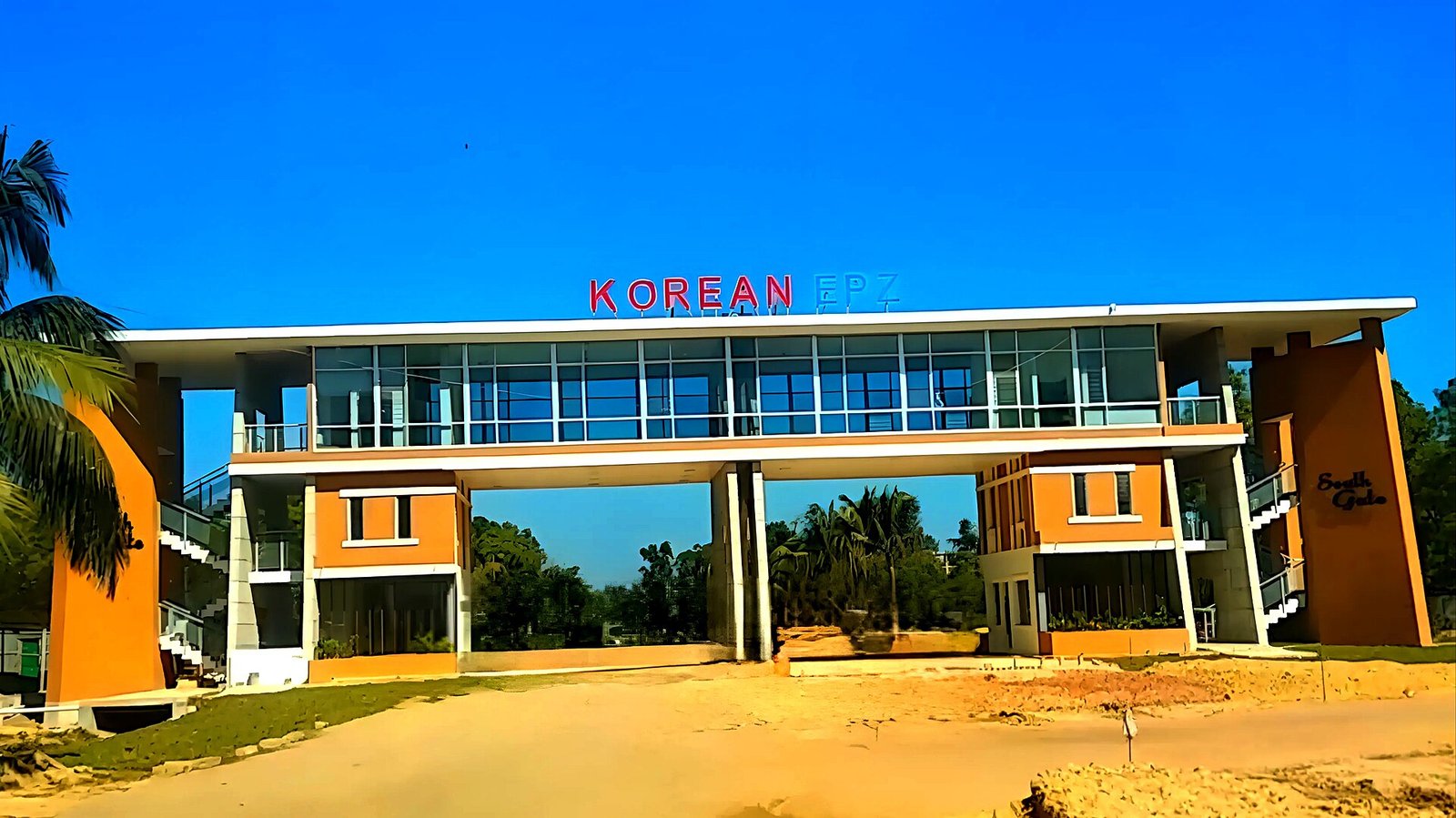
Chattogram has more expatriate staff than its size might suggest. Garment, footwear and electronics factories in the Chattogram and Karnaphuli export processing zones, power and fertiliser projects along the Karnaphuli, port and terminal operators, shipping lines, ship recyclers at Sitakunda and contractors on large infrastructure schemes all rely on foreign skills for installation, production management and technical supervision.
The legal question usually arrives in one of four ways. A new project needs its first foreign hires quickly. A foreign national is already working on a business or tourist visa and someone has noticed. A permit is about to expire and the renewal file is incomplete. Or a tax, immigration or police enquiry asks the company to explain who is on site and on what authority.
Each of those situations has a cleaner and a messier route, and the difference is often a matter of a few weeks and the right sequence of filings. This page explains the framework after the 2026 investment reforms, which authority handles which employer, the process step by step, and the mistakes that most often cause refusals, fines or exit orders.
The legal framework after the Invest Bangladesh reform
Bangladesh does not have a single statute called a work permit act. The regime is built from immigration law, which controls visas and stay, the founding laws and guidelines of the investment authorities, which control permission to work, security vetting by the Ministry of Home Affairs, and tax and foreign exchange rules that govern salary and remittances.
Which authority issues the permit
The answer depends on where and how the employer is set up. In 2026 the Invest Bangladesh Act merged the Bangladesh Investment Development Authority (BIDA), the Bangladesh Economic Zones Authority (BEZA) and the Public Private Partnership Authority into the Invest Bangladesh Authority, as explained in the authority's own announcement. Bangladesh Bank's Foreign Exchange Policy Department has since begun updating its circulars, including FEPD circular no. 40 of 30 September 2026, to reflect the change.
- Mainland companies, branches and liaison offices apply through the Invest Bangladesh Authority, which took over BIDA's work permit function and its online one-stop service.
- Enterprises in BEPZA export processing zones, including the Chattogram EPZ in South Halishahar and the Karnaphuli EPZ, apply to the Bangladesh Export Processing Zones Authority, which was not part of the merger and keeps its power to sanction employment of foreign nationals in the zones.
- Enterprises in economic zones formerly run by BEZA now deal with the Invest Bangladesh Authority, which inherited BEZA's functions.
- NGOs and foreign-funded development organisations follow a separate route through the NGO Affairs Bureau.
Getting the authority wrong is not a technicality. An application filed in the wrong place wastes the short window after arrival, and an employee may end up working while no valid application is pending. A work permit lawyer in Chittagong starts by confirming the employer's registration status and the location of the actual workplace.
Visa categories that matter
The work permit sits on top of the right visa. According to the Invest Bangladesh FAQ, the authority issues visa recommendations for the E visa (employees of private or public organisations), the E1 visa (people engaged in machinery and software installation and project inspection) and the investor visa for foreign private investors. Missions abroad issue the visa; the Department of Immigration and Passports extends it in Bangladesh once the permit is in place.
Business and tourist visas do not authorise employment. Foreign staff who arrive on them and start work are working unlawfully, whatever the employment contract says.
Tax and foreign exchange rules
Foreign employees are taxable in Bangladesh on their Bangladesh employment income, and the employer must deduct tax at source and keep records the National Board of Revenue can audit. Salary remittances abroad go through an authorised dealer bank under Bangladesh Bank's foreign exchange guidelines, and banks ask for the work permit and tax documents before they process them. The National Board of Revenue has repeatedly signalled enforcement against employers of foreigners without permits, and income tax law exposes such employers to significant penalties.
Choosing the right route for each hire
Not every foreign worker needs the same treatment. A two-week commissioning visit, a three-year plant manager and a shareholder-director who visits quarterly each call for a different approach. Choosing correctly at the start saves later corrections, which are slower and attract more scrutiny.
| Situation | Usual visa | Who handles the permit | Key watch point |
|---|---|---|---|
| Long-term manager or engineer at a mainland company | E visa on recommendation | Invest Bangladesh Authority | File the permit application within the window after arrival |
| Staff of a factory in CEPZ or the Karnaphuli EPZ | E visa on BEPZA recommendation | BEPZA | Zone permission and staffing plan must support the post |
| Installation or commissioning team for imported machinery | E1 visa | Invest Bangladesh Authority or BEPZA, depending on location | Scope and duration should match the supply contract |
| Foreign investor or shareholder-director | Investor visa | Depends on whether the person draws a salary and works locally | Directors who manage day to day may also need a permit |
| Employee of an NGO or development project | Visa on NGO Affairs Bureau clearance | NGO Affairs Bureau | Project approval must cover the post |
Justifying the foreign hire
Bangladesh's policy is that foreign nationals fill roles that local candidates cannot. In practice this means advertising the post, recording why local applicants did not fit, and keeping the overall proportion of foreign to local staff within the limits the authorities apply. Those limits differ between industrial and commercial employers, and the authorities can relax them for new projects or specialist skills. A permit application for a role that looks generic, with no evidence of a local search, invites queries.
Employment contract or secondment
Many foreign staff in Chattogram are seconded from a parent company that continues to pay part of their salary abroad. Secondment is lawful, but the work permit, the local contract and the tax filings must tell the same story about who the employer is and what the person is paid. Inconsistencies between the permit salary, payroll and tax returns are a common trigger for NBR enquiries. Our employment contracts team drafts secondment and local agreements that fit the permit.
The work permit process step by step
For an employer outside the zones, the Invest Bangladesh FAQ describes the core sequence: visa recommendation, visa, arrival, then an online work permit application by the employer within 15 days of arrival, payment of the fee and issue of the permit. BEPZA follows a similar logic for zone enterprises. In practice, a work permit lawyer in Chittagong runs the steps below.
- Confirm eligibility and authority. Check the employer's registration with the Invest Bangladesh Authority or BEPZA, its trade licence, tax registration and, for foreign-owned companies and branches, evidence that capital has been brought in.
- Prepare the justification. Board resolution approving the appointment, job description, salary and term, evidence of local advertisement and a current manpower statement showing foreign and local staff.
- Apply for the visa recommendation. File online with the correct authority. A complete file is often processed quickly; queries add time.
- Obtain the visa abroad. The employee applies to the Bangladesh mission with the recommendation letter, appointment letter and passport. Processing times vary by mission.
- Apply for the work permit after arrival. The employer files within the 15-day window, attaching the visa and arrival stamp, with updated company documents.
- Security clearance. The authority refers the case to the Ministry of Home Affairs for vetting, which runs alongside the permit review and can take longer than the permit itself.
- Visa extension and registrations. Once the permit issues, extend the visa to match it, register the employee for tax and set up payroll deductions and bank documentation for remittances.
- Diary renewals and changes. Track expiry dates for the permit, visa and passport, and file renewals, amendments or cancellation well before they fall due.
The 15-day window after arrival is short, and it starts on the day the employee lands, not the day they report for work. Prepare the company documents, manpower statement and tax clearance before the flight is booked, so the application can be filed in the first week.
Documents to assemble
Authorities update their checklists, so we confirm the current version before every filing. The core file is usually consistent across the Invest Bangladesh Authority and BEPZA.
Company documents
- Certificate of incorporation, memorandum and articles, and RJSC return showing current directors, or branch approval for a foreign company's office.
- Registration with the Invest Bangladesh Authority or BEPZA permission and lease, as relevant.
- Trade licence from Chattogram City Corporation or the zone, tax identification and VAT registration.
- Evidence of inward remittance of capital where the company has foreign shareholders or is a branch.
- Board resolution approving the appointment, with designation, salary breakdown, start date and term.
- Manpower statement and evidence of local advertisement.
Employee documents
- Passport with sufficient validity and photographs.
- Appointment letter or secondment agreement.
- Academic and professional certificates, often with attestation.
- Visa page and arrival stamp once in Bangladesh.
- For renewals, the employee's tax return and payment evidence for the previous year.
Mismatched names, dates or designations across these papers are the most common reason for queries. A designation of "General Manager" on the board resolution and "Technical Adviser" on the visa will be noticed.
Risks and common mistakes
Most work permit problems we see in Chattogram are avoidable. They come from timing, from assumptions carried over from other countries, or from treating the permit as a one-off rather than an ongoing compliance item.
Starting work on a business or tourist visa
It is tempting to fly a specialist in on a business visa and regularise later. That is unlawful employment from the first day, and it cannot simply be converted into an E visa while the person stays in the country. If the employee is stopped at an immigration check or named in a tax audit, both employer and employee face consequences. The safer course is to secure the recommendation and E visa first, even if that delays the start. Where a person is already working on the wrong visa, take advice before taking any step, because the order of corrective filings matters.
Missing the window after arrival
The employer must apply for the permit within a short period after the employee arrives. Missing it means explaining the delay, sometimes restarting the process, and in the meantime the employee has no permit. Common causes are an incomplete manpower statement, an expired trade licence or tax certificate, and waiting for originals to arrive from abroad. Build a checklist with dates as soon as the visa is issued, and make one person responsible for the filing. For projects with several arrivals, a rolling schedule avoids applications bunching together and missing deadlines.
Letting the permit and visa fall out of step
The permit, the visa and the passport each have their own expiry date. When any one lapses, the person's status is compromised even if the others remain valid. Renewals need current company documents and evidence of tax compliance, and security clearance may need refreshing. We advise starting renewal work well before expiry. If a passport is renewed abroad, the new passport must be linked to the visa and permit records, which is a step employers often forget until the employee tries to leave.
Changing role, employer or location without approval
A work permit is tied to a specific employer and role. Moving an employee from a mainland company to a group company in an EPZ, promoting them to a materially different post or transferring them to a new project may need an amendment or a new permit. Group structures are a frequent trap: the person works for the group, but the permit names one entity. Before any internal move, check whether the change is cosmetic or requires a filing with the Invest Bangladesh Authority or BEPZA.
Forgetting cancellation and final tax
When an assignment ends, the employer should cancel the permit and settle the employee's final tax position. Departing staff sometimes face difficulties at exit if tax is outstanding, and an uncancelled permit can affect the employer's record and future applications. Final salary, end-of-service payments and any remittance of savings should be documented through the bank. Keep the cancellation acknowledgment in the HR file.
A work permit is not a one-time approval. It is a running compliance file that ties immigration, tax and payroll together, and it is only as strong as its weakest date.
Cross-border employers and foreign investors
Most foreign hires into Chattogram are organised from outside Bangladesh. Group HR teams in Singapore, Dubai, London, Shanghai or Seoul draft the offer letter, the parent pays part of the package, and the employee may be a national of a third country. That is workable, but it needs local alignment before the employee travels.
Foreign investors setting up a new company or EPZ unit should plan expatriate hiring as part of the investment timetable, not after it. The company must be registered, capital brought in and the zone permission or Invest Bangladesh registration in place before the first permit can be sought. Our foreign investment and BEPZA pages explain those earlier steps, and our company registration team handles RJSC incorporation.
Non-resident Bangladeshis who return to manage a family business do not need a work permit, but their foreign spouses and foreign-national children of working age may. Foreign spouses also need the correct visa category before taking employment.
TRW & Co's offices in Dhaka, Singapore, Dubai and London help with the foreign side: notarisation and attestation of parent-company documents, secondment structures, and coordinating home-country payroll and social security with Bangladeshi tax withholding.
How TRW & Co helps as your work permit lawyer in Chittagong
Our Chattogram office works with HR, finance and project teams to keep expatriate staffing lawful from the first recommendation to final exit. We act for mainland companies, EPZ enterprises, contractors and NGOs, and we coordinate with Dhaka where filings or meetings require it.
Route and eligibility review
We confirm which authority has jurisdiction, check the company's registration and capital evidence, and flag any gap that would block the first filing. This avoids starting a process the company cannot finish.
Recommendation, visa and permit filings
We prepare the board resolution, justification, manpower statement and online applications, and track the security clearance. Files go in complete, which is the single biggest factor in avoiding queries.
Renewals and changes
We keep a calendar of permit, visa and passport expiries and file renewals, amendments for changed roles, and transfers within a group. Clients receive reminders well before each deadline.
Regularisation and enquiries
Where a foreign national has worked without a valid permit, we advise on the safest corrective sequence and respond to enquiries from the NBR, immigration or police. We never advise concealment.
Contracts and secondments
We draft local employment contracts and secondment agreements that match the permit, payroll and tax filings, and align them with the Labour Act or the EPZ regime where the employee is a worker.
Exit and cancellation
We manage permit cancellation, final tax clearance and documentation for remittance of savings, so departing staff leave cleanly and the employer's record stays clear for future applications.
Disputes involving foreign staff, such as termination of an expatriate or a claim for unpaid benefits, are handled with our employee termination and Labour Court teams. For the full range of our work, see our practices or the Chattogram office hub.
Checklist for HR and project leads
Before booking a foreign specialist's flight to Chattogram, a work permit lawyer in Chittagong would want to see each of the following settled.
- The correct authority is confirmed: Invest Bangladesh Authority, BEPZA or the NGO Affairs Bureau.
- The company's registration, trade licence, tax certificate and capital evidence are current.
- A board resolution approves the appointment with designation, salary, start date and term.
- The role has been advertised locally and the outcome recorded.
- The manpower statement shows foreign and local staff accurately and within applicable limits.
- The visa type matches the work: E for employment, E1 for installation and inspection.
- Someone is responsible for filing the permit within the window after arrival.
- Payroll will deduct tax at source and the employee will be registered for tax.
- Expiry dates for permit, visa and passport are diarised with renewal lead time.
- Exit steps, including cancellation and final tax, are built into the assignment plan.
If any of these is uncertain, speak to a work permit lawyer in Chittagong before the employee travels. You can contact our Chattogram office at Room 4022, Annex 2, District and Sessions Judge Court Building, Court Hill (Porir Pahar), Kotwali, Chattogram 4000, by email at info@trw.co or by phone on +880 1779 127165.
Related matters we often see alongside work permits
Expatriate hiring rarely happens in isolation. A new EPZ unit needs its permission, lease and environmental clearance before the first foreign production manager arrives. A power or port project needs its contracts and import approvals in place before installation teams on E1 visas land. A change of shareholder may change who can sign the board resolution for each permit.
For these reasons a work permit lawyer in Chittagong should see the wider project plan, not just the passport. Our practical guide on work permits for foreign nationals in Chattogram sets out the steps in more detail, and our article on registering with Invest Bangladesh explains how the BIDA functions moved to the new authority.
Whether you are hiring one engineer or staffing a new plant, the aim is the same: every foreign national on site holds the right visa and a current permit, the payroll and tax records match, and the company can answer any enquiry with a complete file. That is what a good work permit lawyer in Chittagong delivers.
Frequently asked questions
01Do we still apply to BIDA for a work permit?
No. The Invest Bangladesh Act 2026 merged BIDA, BEZA and the Public Private Partnership Authority into the Invest Bangladesh Authority, which now handles work permits for mainland companies, branches, liaison offices and economic zone enterprises. Some portals and forms still carry the BIDA name while systems are consolidated. Enterprises inside BEPZA export processing zones, such as the Chattogram EPZ, still apply to BEPZA. We confirm the current portal and checklist before filing.
02Can a foreign employee start work while the permit is pending?
The safer position is no. The employee should enter on the correct E or E1 visa, and the employer should file the permit application within 15 days of arrival. Starting substantive work before the permit issues exposes both employer and employee to risk, particularly if there is an inspection, accident or tax enquiry. Where a project cannot wait, we look at whether the work can be structured as a short installation assignment under the appropriate visa while the permit is processed.
03How long does a work permit take in Chattogram?
It depends on the authority, the completeness of the file and security clearance. The visa recommendation can be quick if the documents are in order, and visa processing varies by mission abroad. The permit itself follows within weeks in straightforward cases, but security vetting can extend this. Incomplete company documents are the most common cause of delay. We give an estimate once we have reviewed the company file and the employee's papers.
04Does a foreign director need a work permit?
A foreign shareholder or director who visits for board meetings generally uses an investor or business visa and does not need a permit. A foreign director who lives in Bangladesh, manages the business day to day or draws a local salary is in a different position and usually needs a work permit like any other employee. The distinction depends on the facts, so we review the actual role before advising.
05What happens if we employed a foreigner without a permit?
Take advice before acting. Unauthorised employment can lead to penalties under tax law, problems with visa extensions and exit, and scrutiny of the company's other filings. The correct response depends on the employee's visa status, how long they have worked and whether tax has been deducted. Usually the priority is to stop the unlawful work, put the tax position right and then regularise through the proper channel. We do not advise concealment.
06Can a permit be transferred to another company in our group?
Not automatically. A work permit names a specific employer and position. Moving an employee to a group company, including one in an EPZ, normally needs a new permit or an approved amendment, and the receiving company must meet the eligibility requirements itself. Plan internal transfers as new hires on paper, with board resolutions and manpower statements for the receiving entity.
07How are expatriate salaries paid and remitted?
Salary for Bangladesh employment is subject to Bangladeshi income tax, which the employer deducts at source. Remittance of savings abroad goes through an authorised dealer bank under Bangladesh Bank's foreign exchange guidelines, and banks ask for the work permit, contract and tax documents. Secondments where part of the salary is paid abroad must still be declared consistently. A mismatch between the permit salary and payroll is a frequent trigger for NBR enquiries.
Sources and official materials
- Invest Bangladesh: FAQ — Visa recommendations, E and E1 visas, 15-day work permit application
- Invest Bangladesh: press release on the Invest Bangladesh Bill 2026 — Merger of BIDA, BEZA and PPPA
- BEPZA: At a glance — BEPZA services including expatriate work permits in EPZs
- BEPZA: Information for Investors — BEPZA Act 1980 power to sanction foreign employment
- Bangladesh Bank — Foreign exchange guidelines and FEPD circulars
- National Board of Revenue — Income tax on expatriate salaries and withholding
General information only, current as at 2 November 2026. It is not legal advice and does not create an advocate–client relationship. It reflects the law of Bangladesh unless stated otherwise, and the law, court practice and official fees change frequently. Check current official sources and take advice on the facts of your matter.



