
TRW & Co · Customs, VAT & Tax
Import Export Lawyer in Chittagong: Trade Compliance in Chattogram

An import export lawyer in Chittagong keeps traders and manufacturers compliant with Bangladesh's trade rules: IRC and ERC registration, the new Import Policy Order 2026–2029, the Export Policy, customs declarations, foreign exchange and origin. With most seaborne trade passing through Chattogram port, getting these right before shipment protects cargo, payments and licences.
Key pointThe Import Policy Order 2026–2029, gazetted on 24 August 2026, reportedly lets commercial importers use purchase and sales contracts without the old annual value cap for imports outside LCs, but foreign exchange rules on remitting payment still apply, so contracts and bank arrangements need review before relying on it.
At a glance
New Import Policy Order
The Import Policy Order 2026–2029 was published by gazette on 24 August 2026, replacing the previous order with new rules on contract-based imports.
Export Policy 2024–2027
Exports follow the Export Policy 2024–2027, which lists prohibited and conditional products and sets out incentives and priority sectors.
IRC and ERC registration
Importers and exporters register with the CCI&E under the 1981 Registration Order; IRCs come in industrial and commercial categories.
Unified IRC under review
A Ministry of Commerce committee formed in July 2026 is examining a single IRC to replace separate industrial and commercial certificates.
Payments follow FX rules
Import payments and export proceeds must comply with the Foreign Exchange Regulation Act 1947 and Bangladesh Bank's guidelines and circulars.
Swipe or scroll →
What import and export compliance covers in Chattogram
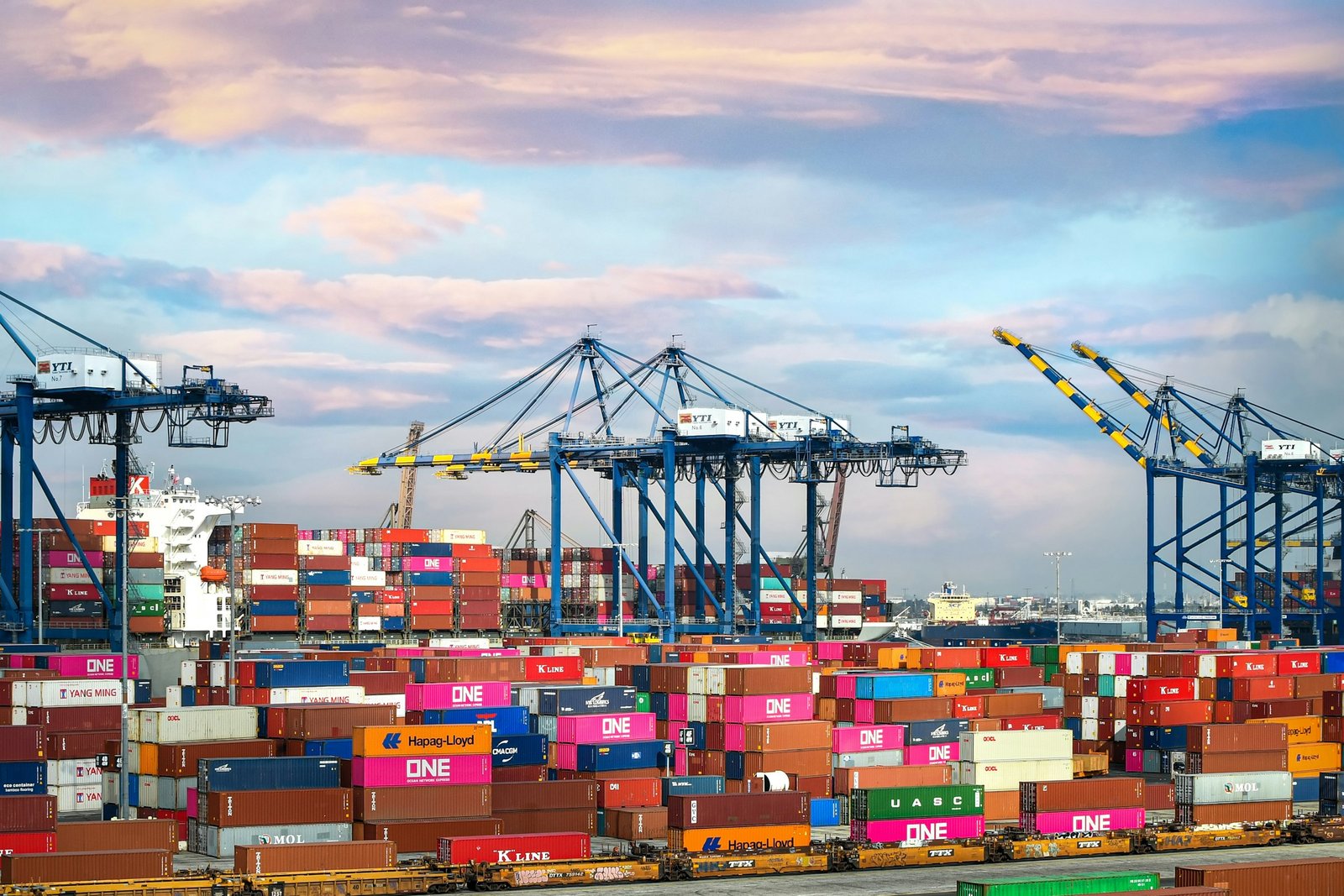
An import export lawyer in Chittagong helps traders, manufacturers, exporters and foreign suppliers stay on the right side of Bangladesh's trade rules: registration with the import and export controller, the Import Policy Order and Export Policy, customs declarations, foreign exchange and payment rules, product standards and certificates of origin. Because most of the country's seaborne trade passes through Chattogram port, the city's businesses feel every change in these rules first.
Compliance becomes a legal question at predictable points. A new product line needs a permit that nobody checked. A bank refuses to open a letter of credit because the item is restricted. A supplier's invoice and the sales contract do not match. An export consignment is held because the buyer changed the destination. A foreign parent wants to sell goods to its Bangladeshi subsidiary on open account. Each of these is cheaper to solve before shipment than at the Custom House.
This page sets out the legal framework, how registrations and policies work in practice, where disputes arise and how we help. For problems already at the Custom House, see our pages on customs disputes and seized goods.
The legal framework for imports and exports
Bangladesh's trade controls rest on a small number of statutes and a larger body of policy orders, circulars and notifications. An import export lawyer in Chittagong reads them together, because a single shipment can engage the Ministry of Commerce, the National Board of Revenue, Bangladesh Bank and a product regulator at the same time.
Core statutes and orders
- Imports and Exports (Control) Act 1950: the parent law that lets the government prohibit, restrict or regulate imports and exports, and under which the Import Policy Order and Export Policy are issued.
- Importers, Exporters and Indentors (Registration) Order 1981: requires importers, exporters and indentors to register with the Office of the Chief Controller of Imports and Exports (CCI&E), which issues Import Registration Certificates (IRC) and Export Registration Certificates (ERC).
- Customs Act 2023: governs declarations, assessment, valuation, examination, seizure and appeals. The NBR published an authentic English text in November 2025.
- Foreign Exchange Regulation Act 1947: together with Bangladesh Bank's foreign exchange guidelines and circulars, it governs how imports are paid for and how export proceeds are brought home.
- VAT and Supplementary Duty Act 2012 and the Income Tax Act 2023: import-stage VAT, supplementary duty and advance income tax are collected with customs duty at the Custom House.
The Import Policy Order 2026–2029
The Ministry of Commerce published the Import Policy Order 2026–2029 by gazette notification on 24 August 2026, according to reporting in the Dhaka Tribune. The reported changes include allowing commercial imports under purchase and sales contracts without the previous annual value cap for imports outside letters of credit, provisions on free trade zones and central bonded warehouses, a first definition of non-resident Bangladeshis with easier imports for NRB-backed industrial projects, and wider scope for export-oriented industries to import inputs. Importers should read the gazetted text itself, not summaries, before relying on any change.
The Export Policy 2024–2027
Exports are governed by the Export Policy 2024–2027, approved by the Council of Advisers in October 2024. It lists prohibited and conditionally exportable products, sets out incentives and priority sectors, and is read alongside Bangladesh Bank rules on export proceeds and the customs rules on export declarations.
Who regulates what
The Ministry of Commerce sets trade policy, and the CCI&E handles registration through its offices, including its Chattogram office. The Chattogram Custom House and the Customs Bond Commissionerate administer customs at the port. Bangladesh Bank and the authorised dealer banks control payments. The Export Promotion Bureau administers export promotion and certain origin certification. Product regulators, such as the standards, food safety, plant quarantine and environment authorities, issue certificates and clearances for particular goods.
Registration: IRC, ERC and the import export lawyer in Chittagong
Every regular importer and exporter needs the right registration certificate in the right category. IRCs are issued in industrial and commercial categories, with import entitlements tied to the registration slab, and ERCs cover exporters. Registration has moved online through the CCI&E's Online Licensing Module, but the substance of the application has not changed: the company documents, trade licence, tax registration, bank certificate and sector permissions must line up.
| Registration or approval | Who issues it | Typical use | Points to watch |
|---|---|---|---|
| Import Registration Certificate (industrial) | CCI&E | Manufacturers importing raw materials, machinery and spares for their own use | Goods must match the registered industry; resale outside that use creates risk |
| Import Registration Certificate (commercial) | CCI&E | Traders importing goods for sale | Import slab and annual renewal must be kept current |
| Export Registration Certificate | CCI&E | Exporters of goods | Must be valid when export documents are lodged |
| Bonded warehouse licence | Customs Bond Commissionerate | Export-oriented manufacturers importing inputs duty-free | Utilisation, wastage and audit rules are strict |
| EPZ or economic zone permissions | BEPZA or the zone authority | Enterprises inside zones such as CEPZ and KEPZ | Zone sales to the domestic market follow their own rules |
| Product clearances | Sector regulators | Food, chemicals, medicines, electronics and other controlled goods | Required before shipment for many items; missing certificates stall clearance |
IRCs have historically had to be renewed for each financial year, and a lapsed certificate can stop a bank opening a letter of credit. In July 2026 the Ministry of Commerce formed a committee, including the CCI&E, NBR, Bangladesh Bank and BIDA, to examine replacing separate industrial and commercial IRCs with a single unified certificate. Until any change is made, businesses that do both kinds of import need both registrations. Our guide to IRC and ERC licensing explains the steps.
Contracts, payments and foreign exchange
Most trade disputes in Chattogram begin with a gap between the commercial contract, the payment instrument and the shipping documents. Banks check documents, not goods, so an invoice that does not match the LC terms, a bill of lading with the wrong consignee or a late shipment can block payment even when the goods are perfect.
Import payments usually run through documentary letters of credit issued by authorised dealer banks, typically subject to the ICC's Uniform Customs and Practice for Documentary Credits. The new Import Policy Order widens the use of contract-based imports outside LCs, but the foreign exchange rules on how and when payment can be remitted still apply. Our guide on how an import LC works covers the mechanics, and our trade finance lawyers handle LC and collection disputes.
Exporters must bring export proceeds back within the period Bangladesh Bank allows and report through their bank. Overdue proceeds attract scrutiny and can lead to investigation. Intra-group transactions, advance payments, commission to foreign agents and set-offs all need checking against Bangladesh Bank rules before they are agreed. Our foreign exchange compliance team advises on these questions.
A shipment is only as compliant as its weakest document. The contract, the LC, the invoice, the bill of lading and the declaration must tell the same story.
When trade deals go wrong
Not every problem is regulatory. Suppliers ship late, short or defective goods; buyers reject consignments or refuse documents; banks raise discrepancies; shipping lines claim demurrage while goods wait for a permit. An import export lawyer in Chittagong first checks what the contract says about specifications, inspection, risk, documents, governing law and dispute resolution, because those clauses decide where and how a claim can be brought.
Many international supply contracts choose foreign law and arbitration in Singapore, London or elsewhere. Others are silent, which leaves Bangladeshi courts and the Arbitration Act 2001 in play. Where cargo is still at Chattogram port, urgent steps such as preserving evidence, arranging a joint survey or protecting an LC from wrongful payment may be needed within days. Our arbitration lawyers and cargo claims team handle these disputes.
Prevention is cheaper. An import export lawyer in Chittagong can build a short trade terms checklist into your purchasing process: who supplies which certificates, what happens if a permit is refused, who pays port charges caused by documentary errors, and how price adjustments are documented for customs and bank purposes.
Rules of origin and certificates of origin
Origin decides which tariff applies at destination and whether a buyer can claim preferential duty. For Bangladeshi exporters, especially in garments, origin rules under preference schemes determine whether fabric and yarn sourcing qualifies. Certificates and origin statements must be backed by production and sourcing records that can survive a verification request from the importing country's customs.
Origin also matters for imports into Bangladesh. Duty concessions under trade agreements depend on a valid certificate of origin, and customs may question origin where goods appear to have been routed through a third country. Bangladesh's planned graduation from least developed country status will change the preferences available to exporters, so origin planning is becoming a strategic question for Chattogram manufacturers. Our guide to certificates of origin explains the documents.
Keep a product-by-product origin file: bills of materials, supplier declarations, purchase invoices and production records. When a foreign customs authority sends a verification request, an import export lawyer in Chittagong can only defend the certificate with records that already exist.
How we run an import or export compliance review
- Map the trade flows. List products, HS codes, origins, destinations, suppliers, buyers, ports and payment methods, including intra-group trade.
- Check the policy position. Test each product against the Import Policy Order 2026–2029 or the Export Policy 2024–2027 for prohibitions, conditions and required permits.
- Verify registrations. Confirm IRC or ERC category, slab and validity, trade licence, tax and VAT registration, and any bond or zone permissions.
- Review contracts and payment terms. Align sales contracts, Incoterms, LC terms and agency agreements with Bangladesh Bank rules and customs valuation principles.
- Audit declarations. Sample past bills of entry and export declarations for classification, valuation and description errors, and reconcile them with accounts.
- Fix and document. Correct procedures, consider voluntary corrections or advance rulings, and set up an evidence file for each product line.
- Train and monitor. Brief commercial, finance and logistics teams and the C&F agent, and track policy changes after each budget and policy order.
Documents and evidence to assemble
- IRC, ERC, trade licence, TIN and VAT registration (BIN) certificates, and certificate of incorporation.
- Sales and purchase contracts, proforma invoices, commercial invoices and agency or distribution agreements.
- LC applications, LCs and amendments, bank payment advices and export proceeds realisation records.
- Bills of lading, packing lists, insurance certificates and certificates of origin.
- Bills of entry, export declarations, assessment notices and duty payment records.
- Product specifications, catalogues, test reports and regulatory certificates for controlled goods.
- Bond licence, utilisation declarations and EPZ or economic zone permissions where relevant.
- Bills of materials and supplier declarations supporting origin claims.
Risks and common mistakes
Importing under the wrong IRC category
An industrial IRC allows imports for the registered industry's own use. Selling those inputs in the open market, or importing items outside the registered activity, can lead to customs action, cancellation of registration and tax consequences. Traders who also manufacture often need both categories. Before diversifying into a new product, check that the registration covers it, that the slab is adequate and that the certificate is valid for the financial year. An import export lawyer in Chittagong can review the position before the first LC is opened.
Relying on summaries of a new policy order
When a new Import Policy Order or Export Policy appears, news reports and trade association circulars quickly summarise it. Summaries miss conditions, transitional rules and the exact wording of product entries. A product that a summary describes as freely importable may still need a permit from a sector regulator. Read the gazetted text for each product you trade, note the effective date and keep a copy on file. Where the wording is unclear, ask for written guidance before shipment.
Mismatched contract, invoice and declaration
Customs compares the declared value and description with the LC, invoice, contract and payment trail. Discounts, commissions, free goods and post-shipment adjustments that are not documented look like undervaluation. Mismatches can lead to reassessment, fines and, where deliberate misdeclaration is alleged, seizure. Agree price adjustments in writing, reflect them in invoices, and make sure the C&F agent declares exactly what the documents show. Our customs valuation lawyers advise on valuation-sensitive goods.
Overdue export proceeds and informal set-offs
Exporters sometimes accept late payment, short payment or set-offs against amounts owed to the buyer without involving their bank. Bangladesh Bank rules require export proceeds to be repatriated within the permitted period through banking channels, and unexplained shortfalls can be treated as capital flight or trade-based money laundering. Document claims, discounts and returns properly, involve the bank early and keep correspondence showing commercial reasons for any reduction.
Leaking bonded or zone goods into the domestic market
Goods imported duty-free under a bond licence, or produced in an EPZ, can be sold into the domestic tariff area only under specific conditions and on payment of the relevant duties. Unauthorised sales, unexplained wastage and stock differences found at audit are among the most serious compliance failures, leading to large demands and possible licence cancellation. Keep reconciliations current. Our bonded warehouse lawyers and our guide to EPZ sales into the domestic market explain the rules.
Foreign suppliers, buyers and investors
Foreign parties are on the other side of almost every Chattogram trade. Suppliers in China, India, Southeast Asia and Europe need to know what Bangladeshi customs and banks will expect from their documents. Buyers in Europe, North America and the Gulf need confidence that origin claims and export documents will hold up. Foreign-owned manufacturers in the export zones need their group trading arrangements to comply with local foreign exchange rules.
The new Import Policy Order's provisions for non-resident Bangladeshis matter for probashis in the UK, the Gulf and Singapore who back industrial projects at home. TRW & Co's offices in Dhaka, Singapore, Dubai and London coordinate with suppliers, buyers and parent companies abroad, while our Chattogram team deals with the Custom House, the CCI&E office and banks locally. Investors should note that BIDA has been succeeded by the Invest Bangladesh Authority under the Invest Bangladesh Act 2026, and Bangladesh Bank has updated its foreign exchange circulars accordingly.
How TRW & Co helps as your import export lawyer in Chittagong
Registration and renewals
We review IRC and ERC categories, slabs and validity, prepare applications and renewals, and resolve problems with the CCI&E before they block an LC.
Policy order analysis
We test your product range against the Import Policy Order 2026–2029 and the Export Policy 2024–2027 and identify permits, conditions and restrictions.
Contracts and trade terms
We draft and review supply, distribution and agency contracts, Incoterms and payment terms so they work with customs valuation and foreign exchange rules.
Customs and origin
We advise on classification, valuation and origin, prepare advance ruling applications and defend origin verifications requested by foreign customs.
Disputes and enforcement
We act in customs disputes, seizures, bank and LC disputes and claims against suppliers or buyers, in Chattogram, the High Court Division and arbitration.
Compliance programmes
We audit past declarations, design internal controls for traders and manufacturers, and train teams and C&F agents on the rules that matter most.
We work with our customs lawyers, our BEPZA lawyers and our commercial contracts team. Browse all our practice areas or read about our Chattogram office.
Checklist for decision-makers
- Do your IRC and ERC categories, slabs and validity match what you actually import and export?
- Have you checked each product against the gazetted Import Policy Order 2026–2029 or Export Policy 2024–2027?
- Do you hold every regulatory certificate needed before shipment?
- Do contracts, LCs, invoices and declarations tell the same story on price, description and quantity?
- Are export proceeds repatriated on time, with any reductions documented through the bank?
- Can you prove the origin of every product for which you claim preferences?
- Are bonded and zone goods fully reconciled?
- Has an import export lawyer in Chittagong reviewed the effect of the 2026 policy changes on your trade?
To review your trade compliance, contact our Chattogram office at Room 4022, Annex 2, District and Sessions Judge Court Building, Court Hill (Porir Pahar), Kotwali, Chattogram 4000, email info@trw.co or call +880 1779 127165.
Frequently asked questions
01Do I need an IRC to import goods into Chattogram?
Regular importers need an Import Registration Certificate from the Office of the Chief Controller of Imports and Exports under the Importers, Exporters and Indentors (Registration) Order 1981. IRCs are issued in industrial and commercial categories, with an import slab, and have historically been renewed each financial year. Some imports, such as certain personal or project imports, follow different rules. Banks will usually not open an LC without a valid IRC that covers the goods.
02What changed in the Import Policy Order 2026–2029?
According to reports of the gazette published on 24 August 2026, the order allows commercial imports under purchase and sales contracts without the previous annual value cap for imports outside letters of credit, adds provisions on free trade zones and central bonded warehouses, defines non-resident Bangladeshis and eases imports for NRB-backed industrial projects, and expands input imports for export-oriented industries. Always check the gazetted text for your products.
03Can I import without a letter of credit?
The new Import Policy Order widens the scope for imports under purchase and sales contracts rather than LCs. However, payment must still follow the Foreign Exchange Regulation Act 1947 and Bangladesh Bank's rules, which govern how and when your authorised dealer bank can remit funds abroad. Before agreeing open-account or advance payment terms, confirm with your bank and advisers that the arrangement is permitted for your category of import.
04How long do exporters have to bring back export proceeds?
Bangladesh Bank sets the period within which export proceeds must be repatriated, and it can change by circular. Exporters must realise proceeds through their bank and report as required. Delays, short payments or set-offs without bank involvement attract scrutiny and can be treated as foreign exchange violations or trade-based money laundering. Document any commercial reason for a reduction and involve your bank early.
05Who issues certificates of origin for Bangladeshi exports?
Origin certification depends on the destination and whether a preference is being claimed. The Export Promotion Bureau has a role in preferential origin under certain schemes, and other designated bodies issue non-preferential certificates. Whatever the document, the exporter must be able to prove origin with bills of materials, supplier declarations and production records if the importing country's customs asks for verification.
06What happens if I sell bonded or EPZ goods locally?
Goods imported duty-free under a bonded warehouse licence, or produced in an export processing zone, can be sold into the domestic tariff area only under specific conditions and on payment of duties. Unauthorised sales and unexplained stock differences can lead to large duty demands, penalties and licence cancellation. Keep utilisation and stock records reconciled and take advice before any domestic sale.
07Can a foreign supplier be held responsible for documents that cause a customs problem?
Customs deals with the Bangladeshi importer, who bears the duty, fines and any seizure risk. Whether the importer can recover losses from the supplier depends on the contract: its specifications, documentation obligations, warranties, governing law and dispute resolution clause. We draft supply contracts that place documentation duties on the supplier and pursue claims through negotiation, arbitration or court when errors cause loss.
Sources and official materials
- Imports and Exports (Control) Act, 1950 — Parent law for import and export controls
- Importers, Exporters and Indentors (Registration) Order, 1981 — IRC and ERC registration requirements
- Ministry of Commerce — Import Policy Order and Export Policy
- Imports allowed outside LCs without value limits (Dhaka Tribune, Aug 2026) — Gazette of the Import Policy Order 2026–2029
- Customs Act, 2023 (authentic English text, NBR) — Declarations, valuation, seizure and appeals
- Bangladesh Bank — Foreign exchange guidelines and circulars
- Export Promotion Bureau — Export promotion and origin certification
General information only, current as at 2 November 2026. It is not legal advice and does not create an advocate–client relationship. It reflects the law of Bangladesh unless stated otherwise, and the law, court practice and official fees change frequently. Check current official sources and take advice on the facts of your matter.



