
TRW & Co · Criminal Defence & Bail
Money Laundering Case Lawyer in Chittagong (Chattogram)
A money laundering case lawyer in Chittagong defends individuals and companies accused under the Money Laundering Prevention Act 2012 and protects frozen assets. In a port city where trade-based laundering is a priority for investigators, customs, tax and banking disputes can become criminal cases before Special Judges, with bail, freezing and quashing questions reaching the High Court Division.
Key pointMoney laundering always rests on a predicate offence, and the agency that investigates is the one responsible for that offence, so a customs misdeclaration settled at the Custom House can still become a money laundering case.
At a glance
Act No. 5 of 2012
The Money Laundering Prevention Act 2012, as amended, defines the offence, sets penalties, and governs freezing, attachment and forfeiture of property.
Four to twelve years
Individuals face four to twelve years' imprisonment and a fine of up to twice the property involved or Tk 10 lakh, whichever is higher.
Non-bailable offences
Section 11 makes all offences under the Act cognisable, non-compoundable and non-bailable; Special Judges apply the section 13 bail conditions.
Agency follows predicate
CID, ACC, NBR, the Department of Narcotics Control, the Department of Environment and BSEC investigate according to the predicate offence.
2027 evaluation ahead
Bangladesh faces an Asia/Pacific Group mutual evaluation in 2027, keeping enforcement pressure on banks and traders high.
Swipe or scroll →
What a money laundering case involves in Bangladesh and in Chattogram
A money laundering case lawyer in Chittagong defends individuals and companies accused under the Money Laundering Prevention Act 2012, challenges freezing and attachment orders, and advises banks, traders and directors when an inquiry begins. Money laundering in Bangladesh is a derivative offence: it requires property connected with a "predicate offence" such as fraud, corruption, smuggling, customs or tax offences, drug trafficking or forgery, and then conduct that conceals, transfers or uses that property.
Chattogram's economy gives these cases a distinctive shape. The port handles most of the country's trade, so trade-based money laundering through over- or under-invoicing, misdeclared cargo and letters of credit is a recurring theme. Large business groups headquartered in the city have been the subject of high-profile investigations since 2024, and the banks, importers, C&F agents and family members around them are often drawn in.
A case can begin quietly, with a bank account frozen by the financial intelligence unit, a notice from an investigating agency, or a request for documents. By the time a first information report or charge sheet is filed, important choices about records, statements and assets may already have been made.
The legal framework: the 2012 Act, the agencies and the courts
Money Laundering Prevention Act 2012
The Money Laundering Prevention Act 2012 (Act No. 5 of 2012), as amended, is the core statute. Its structure is worth knowing because each section creates a different pressure point:
- Section 4: the offence and its punishment. For individuals, imprisonment of four to twelve years and a fine of up to twice the value of the property involved or Tk 10 lakh, whichever is higher, with possible forfeiture.
- Sections 5 to 8: separate offences of breaching a freezing or attachment order, tipping off, obstructing an investigation and giving false information.
- Sections 9 and 10: investigation and trial, with exclusive jurisdiction for the Court of a Special Judge.
- Section 11: all offences under the Act are cognisable, non-compoundable and non-bailable.
- Section 13: conditions for bail, including hearing the complainant.
- Sections 14 to 21: freezing, attachment, return, forfeiture of property and appeals against those orders.
- Sections 23 to 25: the powers of the Bangladesh Financial Intelligence Unit and the duties of reporting organisations.
- Section 27: offences by entities, with a fine of up to twice the property involved or Tk 20 lakh, whichever is higher, possible cancellation of registration, and exposure for owners and directors.
Who investigates
Under the Money Laundering Prevention Rules 2019, money laundering is investigated by the agency responsible for the predicate offence. The BFIU lists the Criminal Investigation Department of the police, the Anti-Corruption Commission, the Department of Narcotics Control, the National Board of Revenue, the Department of Environment and the Bangladesh Securities and Exchange Commission. For a Chattogram importer, that means a case may come from customs intelligence, from the CID's financial crime unit or from the ACC, depending on the alleged source of the money.
Courts in Chattogram and the High Court Division
Money laundering cases are tried by Special Judges. In Chattogram, cognisance is taken by the Senior Special Judge, and the case is then tried by a Special Judge's court. In The State v M. Wahidul Haque and others, 11 SCOB [2019] HCD 3, a Full Bench of the High Court Division held that magistrates may consider bail under the Code of Criminal Procedure at the pre-trial stage, while after cognisance bail is for the Special Judge under section 13. The High Court Division also hears bail, anticipatory bail, quashing applications and appeals.
Trade-based money laundering and the Chattogram angle
Trade is the most common route by which value moves across borders without an obvious bank transfer. Investigators look for import prices far above or below market, goods that do not match the declaration, repeated amendments to letters of credit, payments to parties not named in the trade documents, and shipments that never arrive. Each of those patterns can also have an innocent explanation, which is where the defence work lies.
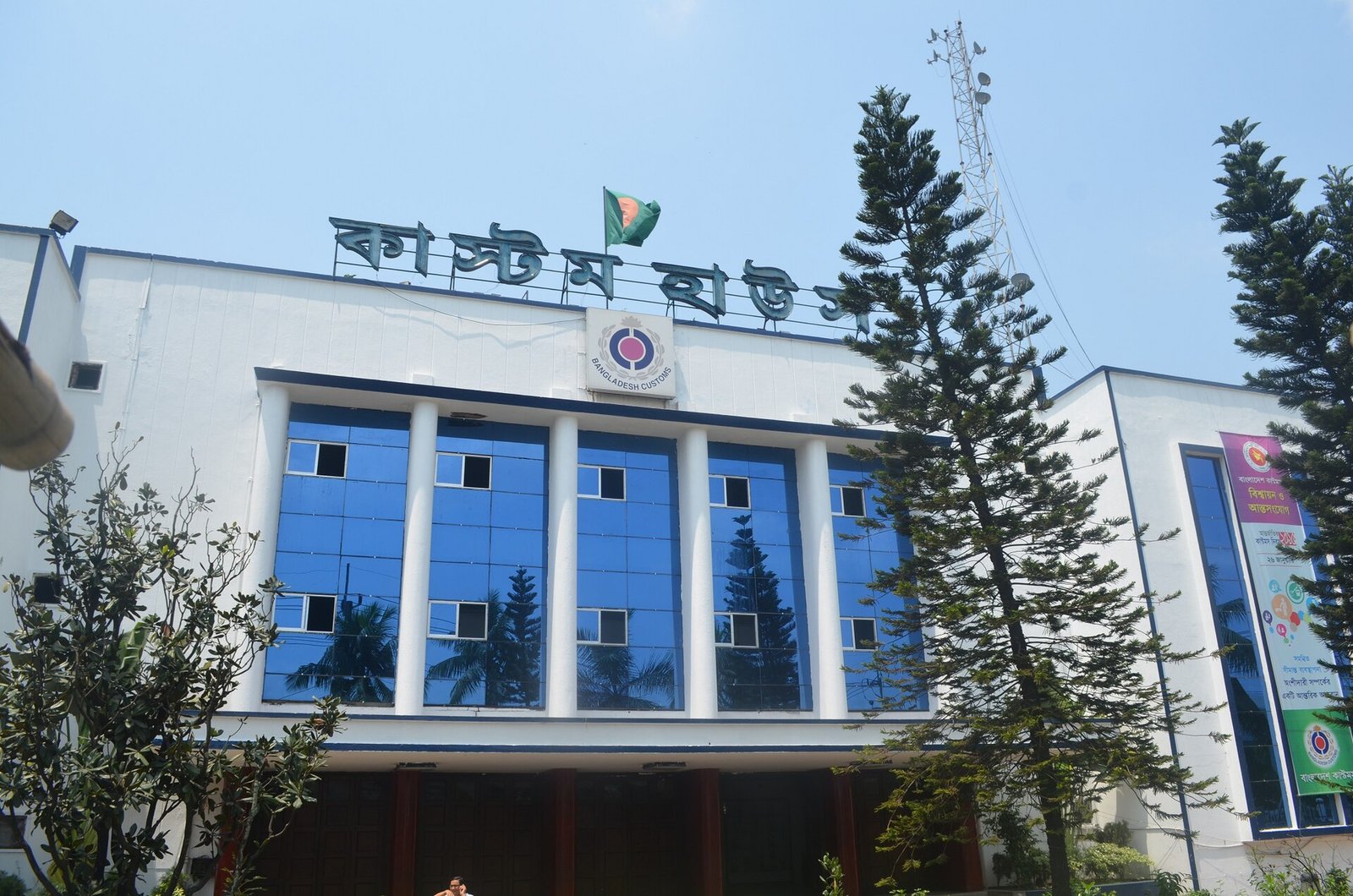
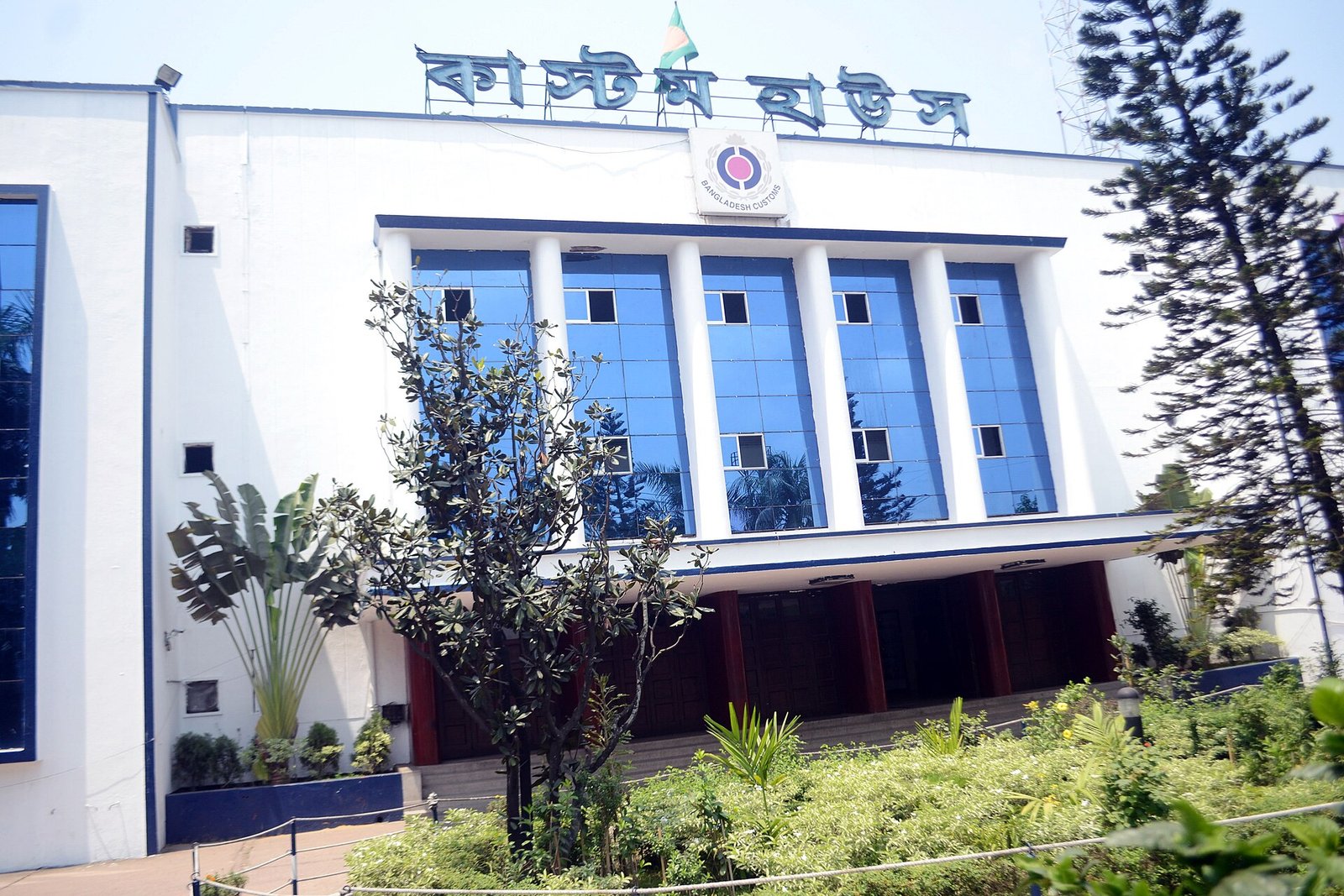
Because customs, VAT and tax offences are predicate offences, a dispute that begins at the Chattogram Custom House can become a money laundering inquiry. A money laundering case lawyer in Chittagong will therefore look at the customs file, the bank's trade file and the company's accounts together, and coordinate with our customs practice where seizure or adjudication is also under way. Our article on trade-based money laundering risks for Chattogram importers explains the red flags.
How a money laundering case lawyer in Chittagong defends a trade-based case
The prosecution in a trade case usually relies on a price comparison and an inference. The defence tests both. Was the comparison price for the same grade, quantity, origin and shipping terms? Did the importer actually control the pricing, or was it set by a foreign supplier, a buyer's nominated vendor or a commodity index? Were differences explained at the time in emails, contracts or bank correspondence?
A money laundering case lawyer in Chittagong will also look at what the prosecution must prove beyond the price. The Act requires property connected with a predicate offence and conduct dealing with that property, and the charge sheet should identify both. Where the investigation shows only a customs valuation dispute, without evidence that the difference was moved or concealed, that gap can support a quashing application or an acquittal. Independent trade experts and forensic accountants are often worth instructing at the investigation stage, not just for trial.
| Trigger | Usual agency | First step for the client | Main risk |
|---|---|---|---|
| Suspicious transaction report by a bank | BFIU, then the relevant investigating agency | Assemble transaction records and an explanation of the source of funds | Account suspension or freezing before any charge |
| Customs misdeclaration or seizure | NBR customs intelligence; CID | Respond to the customs case and preserve trade documents | A customs dispute widening into a criminal case |
| Corruption allegation | Anti-Corruption Commission | Respond to notices; consider asset statements | Parallel corruption and laundering charges |
| Loan default or bank fraud | CID or ACC | Reconstruct the loan file and the use of funds | Directors and family members named as beneficiaries |
| Foreign request for assistance | Attorney General's office, BFIU, investigating agency | Assess the foreign proceedings and Bangladeshi exposure | Asset restraint at the request of another state |
Freezing, attachment and protecting assets
Asset measures often hurt more than the charge itself. The BFIU can suspend or freeze transactions in an account for a limited period, which the investigating agency may ask to extend, and courts can make freezing and attachment orders over property on the application of the investigating agency. Once property is frozen, salaries, supplier payments and loan instalments can stop, and a business can fail before any trial.
The Act provides for the return of frozen or attached property and for appeals against freezing, attachment and forfeiture orders. A money laundering case lawyer in Chittagong will check whether the order identifies the property properly, whether it covers assets with no link to the alleged offence, and whether third parties such as spouses, lenders or co-owners have been affected. Lawful business funds can often be separated and released, or ring-fenced for essential payments, if the evidence is presented promptly.
In money laundering cases the first battle is usually over money, not liberty: frozen accounts can end a business long before a court decides whether any offence was committed.
Step by step: from first notice to trial
- Stop and preserve. When a freeze, notice or search occurs, preserve all records, stop deleting messages or emails, and avoid discussing the matter with the bank or counterparties in ways that could be seen as tipping off.
- Identify the predicate offence and the agency. The allegation of the underlying crime decides which agency investigates and where the defence must focus.
- Reconstruct the money trail. Map each transaction against invoices, contracts, LCs, tax returns and bank statements, and identify the lawful source of each sum.
- Manage interviews and statements. Prepare for interviews with the agency, decide what to say in writing, and keep copies of everything submitted.
- Protect liberty. Where arrest is likely, consider anticipatory bail before the High Court Division; after arrest, apply for bail before the magistrate or, after cognisance, the Special Judge.
- Challenge asset orders. Apply for return or variation of freezing and attachment orders, or appeal them, with evidence of lawful sources and third-party interests.
- Test the charge sheet. Examine whether the predicate offence and the link to the property are actually alleged and supported; consider quashing under section 561A where they are not.
- Prepare for trial. Build documentary and expert evidence on trade pricing, accounts and banking practice, and cross-examine on the gaps in the investigation.
Our bail practice and anticipatory bail practice cover liberty applications in more detail.
Documents and evidence to assemble
- bank statements, account opening forms and KYC records for every relevant account;
- trade documents: proforma invoices, LCs and amendments, bills of lading, bills of entry, packing lists and customs assessments;
- contracts, purchase orders and correspondence with suppliers and buyers;
- audited accounts, tax returns and VAT returns for the relevant years;
- evidence of market prices for the goods at the time, from independent sources;
- loan files, sanction letters and evidence of how loan proceeds were used;
- title and purchase documents for property, with the source of the purchase money;
- any notices, seizure lists, freezing orders and the first information report or complaint.
Do not move, gift or re-register assets after a notice or freeze, even to family members. Transfers at that stage can be treated as fresh laundering or as a breach of a freezing order, which is a separate offence. Take advice first, then deal with assets openly and with the court's or agency's permission where required.
Risks and common mistakes
Treating it as a customs or tax problem only
Importers facing a misdeclaration case sometimes settle the duty and penalty and assume the matter is closed. But customs and tax offences are predicates for money laundering, and the same facts can support a separate criminal case. Admissions made to settle the customs file can then be used in the laundering case. A money laundering case lawyer in Chittagong should review any settlement wording before it is signed, so that the commercial resolution does not create criminal exposure.
Missing the bail framework
All offences under the Act are non-bailable, and after cognisance the Special Judge applies the conditions in section 13, including hearing the complainant. Before cognisance, the Full Bench decision in Wahidul Haque allows magistrates to consider bail under the general law. Choosing the right forum and stage, and preparing the material the court will want to see, makes a significant difference. Where arrest is anticipated, an anticipatory bail application to the High Court Division may be the safer first step.
Leaving freezing orders unchallenged
Account freezes and attachment orders are sometimes broader than the allegations justify, covering salary accounts, unrelated businesses or co-owned property. If no one applies for variation or appeals, the order can remain in place for the life of the case. Act early: gather evidence of the lawful source of the affected funds, identify third-party owners, and apply under the Act for return or variation, or appeal where the order is wrong in principle.
Directors who did not know
Under section 27, where an entity commits an offence, owners, directors and officers can be exposed unless they show the offence was committed without their knowledge or that they exercised due diligence. Non-executive and family directors are frequently named. Board minutes, delegation records, compliance reports and evidence of the director's actual role are central to the defence. Directors should not assume that a passive position protects them.
Reporting organisations that over- or under-react
Banks, insurers, real estate developers, dealers in precious metals and stones, lawyers and accountants are reporting organisations under the Act. Failing to report a suspicious transaction exposes them to penalties; tipping off a customer is a separate offence. Equally, closing accounts or refusing payments without a basis can create civil claims. Reporting organisations should follow BFIU guidance, document their decisions and take advice on difficult files, as our article on AML and CFT compliance explains.
Cross-border cases, foreign requests and the 2027 evaluation
Money laundering cases are often international by nature: funds sent to Dubai, Singapore, Malaysia, the UK or Canada; property bought abroad; or foreign counterparties in a trade chain. Bangladesh can seek and provide mutual legal assistance, and authorities have pursued asset recovery abroad. Clients with assets or family in several countries need a coordinated position, because what is said in one jurisdiction can be used in another.
The policy backdrop matters too. According to The Business Standard, Bangladesh faces its fourth mutual evaluation by the Asia/Pacific Group on Money Laundering in 2027, national risk assessments are due by the end of 2026, beneficial ownership disclosure is being introduced, and the CID leads criminal asset-recovery investigations. Enforcement pressure on Chattogram traders and banks is therefore likely to stay high.
Non-resident Bangladeshis are frequently drawn in as account holders, property buyers or family members of an accused. A money laundering case lawyer in Chittagong can advise them on travel risk, on giving statements from abroad and on protecting property in Bangladesh that was bought with documented remittances.
TRW & Co's offices in Dhaka, Singapore, Dubai and London help coordinate advice where assets, witnesses or proceedings are outside Bangladesh, while the Chattogram team handles the investigation and the Special Judge courts locally.
How TRW & Co helps as your money laundering case lawyer in Chittagong
We act from our office at Room 4022, Annex 2, District and Sessions Judge Court Building, Court Hill (Porir Pahar), Kotwali, Chattogram 4000. The firm's Bangladesh advocates appear before the magistrates' and Special Judge courts in Chattogram and in the High Court Division. We do not promise outcomes; we build the strongest documented position available.
Investigation response
We advise on notices, interviews and document requests from the CID, ACC, NBR and other agencies, and prepare written explanations of the source of funds supported by records.
Bail and liberty
We apply for anticipatory bail in the High Court Division and for bail before magistrates and Special Judges, taking account of the section 13 conditions.
Asset protection
We challenge account suspensions, freezing and attachment orders, seek release of lawful funds and protect the interests of spouses, lenders and co-owners.
Trial and High Court work
We defend cases before the Special Judge, bring quashing applications, revisions and appeals, and work with accountants and trade experts on pricing and accounts.
Trade and customs overlap
We coordinate the customs, VAT and banking sides of a trade-based case so that settlements and statements in one forum do not damage the defence in another.
Compliance and internal reviews
We help banks, traders and groups review AML controls, investigate internal concerns and respond to BFIU and Bangladesh Bank inquiries.
See also our criminal defence practice, anti-corruption practice, trade finance practice, the Chattogram office hub and all practices.
Checklist for anyone facing a money laundering inquiry
- Preserve all documents, devices and messages; do not delete anything.
- Identify the alleged predicate offence and the investigating agency.
- Do not move, gift or re-register assets after a notice or freeze.
- Reconstruct the money trail with invoices, LCs, bank and tax records.
- Prepare before any interview and keep copies of every submission.
- Assess anticipatory bail if arrest is a real possibility.
- Challenge overbroad freezing or attachment orders promptly.
- Check customs, tax and bank settlements for admissions before signing.
- Coordinate advice in every country where assets or proceedings exist.
To speak to a money laundering case lawyer in Chittagong in confidence, contact our Chattogram office, email info@trw.co or call +880 1779 127165.
Frequently asked questions
01What is the punishment for money laundering in Bangladesh?
Under section 4 of the Money Laundering Prevention Act 2012, an individual faces imprisonment of four to twelve years and a fine of up to twice the value of the property involved or Tk 10 lakh, whichever is higher, and the court may order forfeiture. An entity faces a fine of up to twice the property involved or Tk 20 lakh, whichever is higher, and its registration may be cancelled. Owners and directors can also be exposed.
02Which court hears money laundering cases in Chattogram?
Money laundering offences are triable exclusively by the Court of a Special Judge. In Chattogram, cognisance is taken by the Senior Special Judge and the case is tried by a Special Judge's court. Before cognisance, a Full Bench of the High Court Division has held that magistrates may consider bail under the general criminal procedure. The High Court Division hears anticipatory bail, quashing and appeals.
03Is bail available in a money laundering case?
Offences under the Act are non-bailable, which means bail is discretionary rather than a right. After cognisance, the Special Judge applies section 13, which requires the complainant to be heard and the court to consider whether there are reasonable grounds to believe the accused is guilty, with additional consideration for women, children and disabled persons. Anticipatory bail from the High Court Division may be sought before arrest.
04My bank account has been frozen. What can I do?
Find out who made the order and under which power: an account suspension or freeze by the BFIU, or a court freezing or attachment order sought by an investigating agency. Then gather evidence of the lawful source of the funds and any third-party interests. The Act provides for return of frozen or attached property and for appeals against such orders. Do not move other assets in the meantime.
05Who investigates money laundering in Bangladesh?
Under the Money Laundering Prevention Rules 2019, the agency responsible for the predicate offence investigates the related money laundering. The BFIU lists the CID, the Anti-Corruption Commission, the Department of Narcotics Control, the National Board of Revenue, the Department of Environment and the Bangladesh Securities and Exchange Commission. The BFIU itself receives suspicious transaction reports and shares intelligence.
06Can a customs misdeclaration lead to a money laundering case?
Yes. Customs, VAT and tax offences are predicate offences under the Act, so misdeclaration, over-invoicing or under-invoicing at the Chattogram Custom House can lead to a money laundering investigation in addition to customs adjudication. Settlements and statements made in the customs case can be used in the criminal case, so they should be reviewed by a criminal lawyer before they are signed.
07Are lawyers and accountants covered by the AML rules?
Yes. The Act's list of reporting organisations includes banks, financial institutions, insurers, money changers, remitters, capital market intermediaries, NGOs, real estate developers, dealers in precious metals or stones, trust and company service providers, lawyers, notaries, other legal professionals and accountants. Their duties include customer due diligence, record keeping and reporting suspicious transactions, as applied by BFIU instructions.
Sources and official materials
- Money Laundering Prevention Act 2012 (Act No. 5 of 2012) — Offence, penalties, freezing, forfeiture, BFIU and reporting duties
- Bangladesh Financial Intelligence Unit — AML guidance, investigating agencies and reporting organisations
- The State v M. Wahidul Haque and others, 11 SCOB [2019] HCD 3 — Full Bench decision on bail in money laundering cases
- Anti-Corruption Commission — Investigates corruption-linked money laundering
- National Board of Revenue — Customs, VAT and tax predicate offences
- Bangladesh Bank — Central bank housing the BFIU
- TBS: Bangladesh ramps up AML reforms before global review (July 2026) — 2027 APG evaluation, risk assessments and asset recovery
General information only, current as at 2 November 2026. It is not legal advice and does not create an advocate–client relationship. It reflects the law of Bangladesh unless stated otherwise, and the law, court practice and official fees change frequently. Check current official sources and take advice on the facts of your matter.



